PTBP Web Desk
The International Monetary Fund (IMF) has officially approved the disbursement of $1.2 billion to Pakistan under the Extended Fund Facility (EFF) and the Resilience and Sustainability Facility (RSF). The development marks a critical step in Pakistan’s ongoing economic stabilisation efforts, as the country navigates the fallout from global market volatility, climate-related shocks, and long-standing structural weaknesses.
According to the IMF’s announcement, the Executive Board completed the second review of Pakistan’s economic reform programme under the EFF and the first review under the RSF, enabling the immediate release of $1 billion through the EFF and $200 million under the RSF. With this tranche, Pakistan’s cumulative disbursements under both programmes have reached $3.3 billion.
The IMF observed that Pakistan’s reform progress, despite severe floods and a challenging global climate, has been “significant.” The primary keyword Pakistan IMF disbursement has become central to the government’s communication strategy, highlighting sustained fiscal discipline, gradual recovery in growth, and steps toward climate resilience.
The Fund noted that Pakistan achieved a primary fiscal surplus of 1.3% of GDP in FY25, in line with the programme’s targets. The surplus reflects strict adherence to expenditure controls and sustained revenue mobilisation.
Gross foreign exchange reserves also improved, rising to $14.5 billion by the end of FY25, compared to $9.4 billion a year earlier. These reserves are projected to increase further in FY26, offering the country improved external buffers.
Inflation, however, remained an issue. The IMF attributed recent spikes mainly to supply-side disruptions caused by floods. But the Fund expects inflationary pressure to ease gradually as food supplies stabilise and monetary policy remains tight.
Nigel Clarke, Deputy Managing Director and Acting Chair of the Board, said Pakistan’s reform efforts under the EFF had helped “preserve macroeconomic stability in the face of several shocks.” He emphasised that real GDP growth has picked up, while both fiscal and external deficits have moderated.
Clarke added that Pakistan must continue prudent policies while accelerating reforms aimed at private-sector-led growth.
He praised Pakistan’s commitment to meeting its FY2026 fiscal targets, even while allocating critical funds for flood relief and rehabilitation. Clarke stressed that tax reforms, including simplification of tax structures and widening of the tax base, remain essential for long-term sustainability.
The IMF commended the State Bank of Pakistan (SBP) for maintaining a tight monetary policy stance, which played a crucial role in keeping inflation expectations anchored. Clarke advised the SBP to continue improving communication to strengthen policy transmission.
He also urged the central bank to keep the exchange rate flexible and deepen the interbank foreign exchange market. Strong regulatory enforcement, he said, is vital for ensuring that the financial sector remains resilient and well capitalised.
The IMF reiterated that energy sector reforms are central to maintaining economic stability and enhancing Pakistan’s competitiveness. While recent tariff adjustments have helped contain circular debt, long-term sustainability requires lowering operational inefficiencies, reducing generation costs, and improving governance in both the electricity and gas sectors.
The IMF welcomed the release of its Governance and Corruption Diagnostic Report, which highlighted major systemic gaps in public sector management. The report suggests that Pakistan could add up to 6.5% to GDP over five years if it implements key governance reforms.
The findings sparked an immediate political response. Khyber Pakhtunkhwa Chief Minister Mohammad Sohail Afridi demanded investigations into resource misuse and financial leakages, saying the report raised “grave questions” about the handling of public funds.
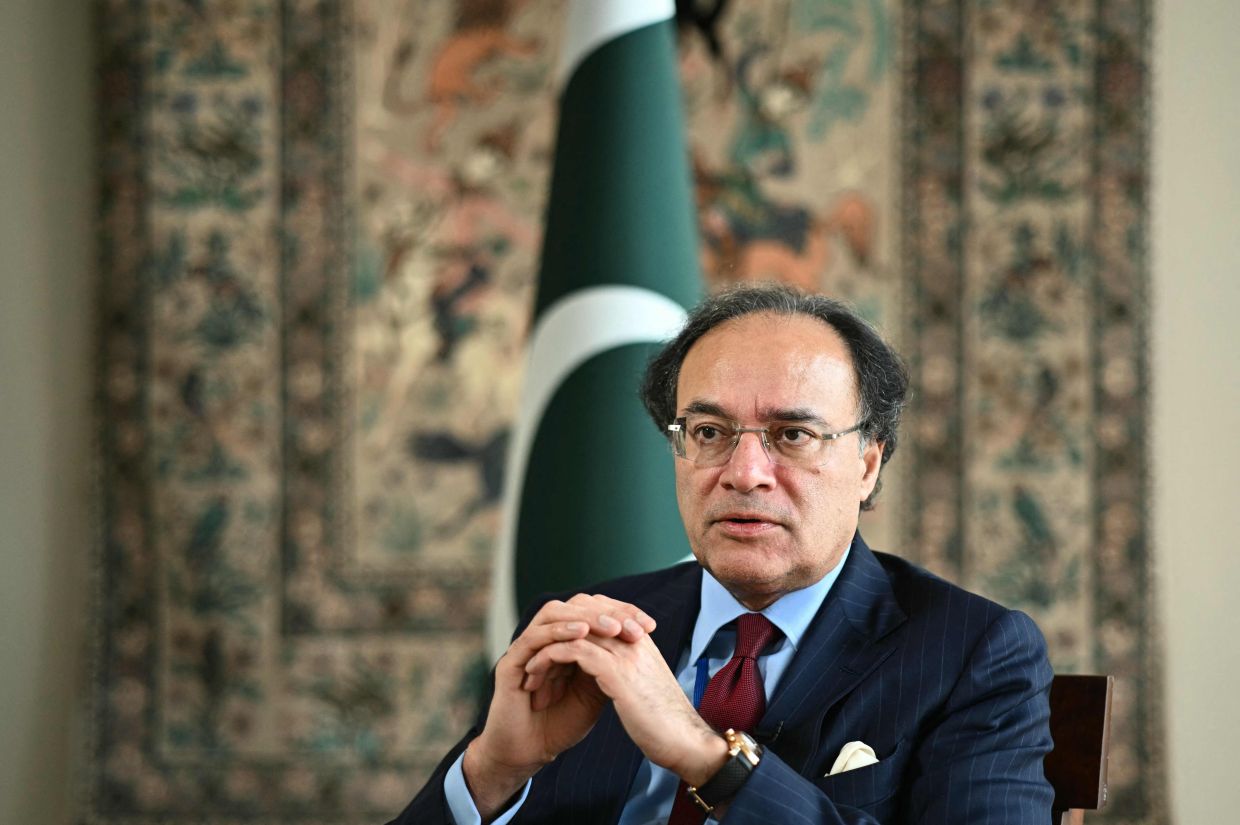
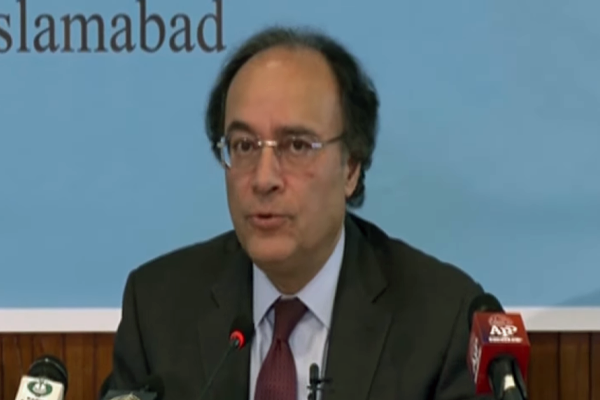
Finance Minister Muhammad Aurangzeb, however, expressed optimism, stating that the diagnostic report should accelerate reforms already in progress.
Under the RSF, Pakistan aims to strengthen resilience against natural disasters—a priority underscored by recent devastating floods. The facility supports efforts to improve water resource management, integrate climate considerations into the budgeting process, enhance disaster financing frameworks, and improve climate-related data for financial institutions.
The IMF mission, led by Iva Petrova, held extensive discussions in Karachi, Islamabad, and Washington between September 24 and October 8, 2025, before finalising the agreement. A staff-level agreement was reached on October 15, paving the way for today’s Board approval.