PTBP Web Desk
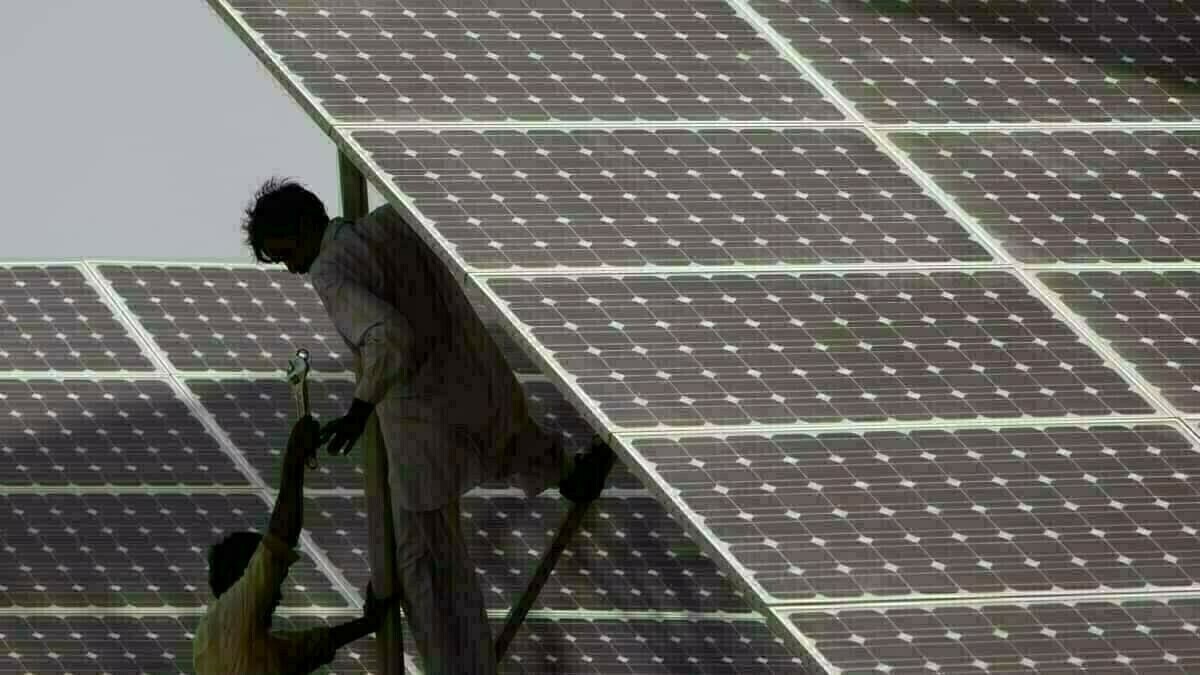
Kohinoor Mills Limited (KML), one of Pakistan’s leading textile manufacturers, has taken another significant step toward sustainability by completing the commissioning of 2.7 megawatts (MW) of additional renewable energy capacity at its manufacturing facility. With this upgrade, the company’s total solar generation now stands at 7.2MW, marking a major milestone in its long-term transition to cleaner and more efficient energy.
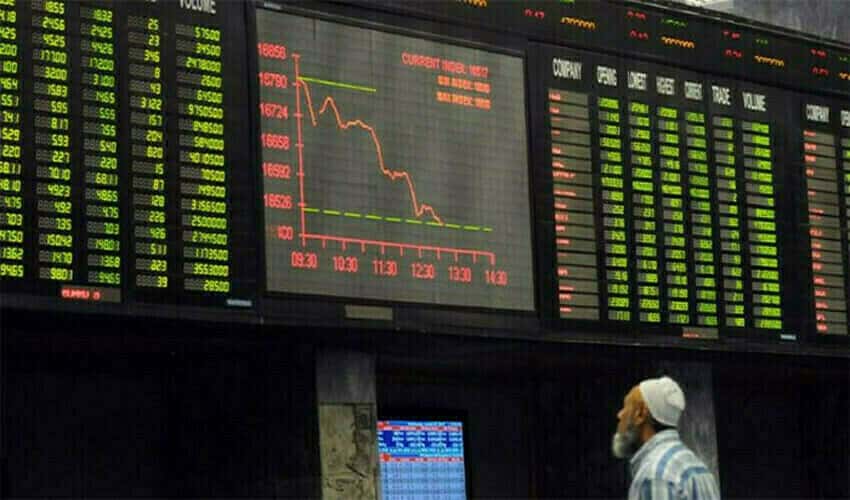
In a notice submitted to the Pakistan Stock Exchange (PSX), the company announced that more than 20% of its operational electricity requirements are now being fulfilled through its solar photovoltaic (PV) system. This achievement reinforces Kohinoor Mills’ commitment to reducing reliance on the national grid and mitigating the financial pressures caused by volatile electricity tariffs.
The company further revealed that it is preparing to install an additional 3MW solar system before the end of the current financial year. This expansion aligns with its strategic plan to shift its energy mix toward more sustainable sources, boost operational efficiency, and lower long-term costs.
In its official notice, Kohinoor Mills stated that the newly commissioned solar system will enhance the company’s overall energy security, shielding its operations from tariff fluctuations and rising fuel prices. With Pakistan’s textile sector heavily dependent on energy-intensive processes, this move positions KML among the most energy-resilient manufacturers in the country.
The company added that the ongoing expansion will not only reduce unit energy costs but also decrease exposure to government-related grid tariff volatility, an issue that has burdened industrial consumers for years. Moreover, by increasing its renewable energy footprint, KML is helping Pakistan reduce its dependence on imported fuel — a major contributor to the country’s annual import bill.
The management emphasized that the installation of the new 3MW PV system will further support national goals related to energy diversification, environmental protection, and industrial competitiveness.
Founded on December 21, 1987, Kohinoor Mills operates under the Companies Act 2017 and is primarily engaged in textile production, power generation, and electricity supply. Over the years, the company has steadily modernized its operations, and its latest solar expansion demonstrates its investment in clean energy technology.
Pakistan’s shift toward alternative energy is accelerating, with solar power emerging as a preferred choice for both commercial and residential consumers. According to recent findings by the Policy Research Institute for Equitable Development (PRIED), the country has already installed solar PV panels with a combined capacity of 33 gigawatts (GW) — an unprecedented level of solar adoption.
This rapid growth has created new opportunities but also challenges. As electricity consumption remains largely stagnant, energy planners and grid managers are assessing how widespread solar installations will shape the future demand-supply balance within the national grid.
Despite these concerns, the transition to solar energy continues to gain momentum. Many industries have already realized the benefits of reducing reliance on expensive grid electricity and imported fuel. Solar power provides greater predictability, lowers long-term operational costs, and supports global sustainability standards — all essential factors for Pakistan’s export-oriented sectors.
Kohinoor Mills is not alone in this transition. In fact, multiple textile manufacturers have been expanding their renewable energy portfolios in recent years. Just a day before Kohinoor Mills’ announcement, Din Textile Mills Limited (DINT) revealed that it had added 3.2MW of solar capacity to its renewable energy setup.
This trend highlights the growing awareness within the textile sector — Pakistan’s largest export contributor — about the economic and environmental advantages of investing in renewable energy. Many companies are taking proactive steps to strengthen their sustainability agendas, enhance global credibility, and meet international buyers’ expectations for cleaner and greener production.
Kohinoor Mills’ decision to expand its solar energy generation capacity carries several long-term benefits:
Solar power significantly reduces the per-unit cost of electricity, offering textile companies a competitive advantage in international markets.
By producing its own electricity, KML can mitigate the impact of unpredictable tariff hikes and fuel price inflation.
Increased use of solar power minimizes carbon emissions, aligning with Pakistan’s climate commitments and global environmental standards.
On-site power generation reduces reliance on the national grid and imported fuels, improving the company’s energy security.
Private-sector initiatives like this contribute meaningfully to Pakistan’s broader renewable energy targets and help stabilize the national energy landscape.