PTBP Web Desk
Prime Minister Shehbaz Sharif on Wednesday instructed the full implementation of the National Tariff Policy, describing it as a “revolutionary step” to strengthen domestic industrial production and enhance the competitiveness of Pakistani businesses in international markets.
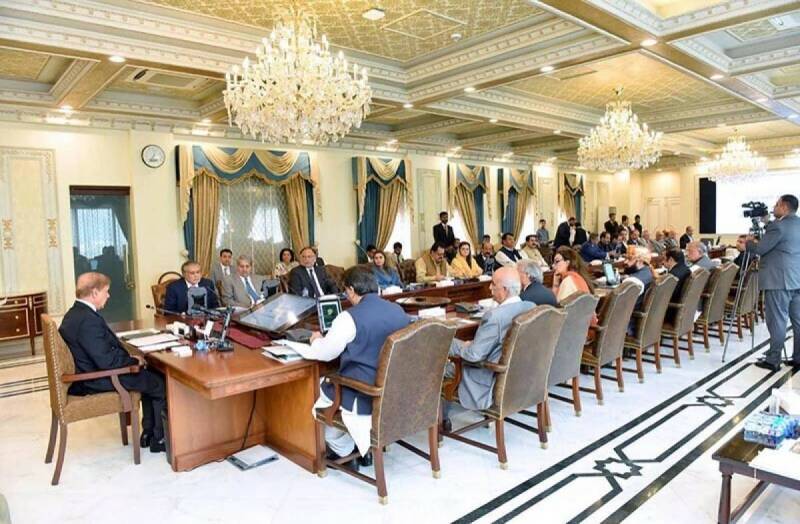
The directive came during a high-level review meeting in Islamabad, which focused on the recommendations of the Sub-Working Group on reforms in the customs, tariff, and trade sectors. The group, comprising leading industrialists and business representatives, presented data-driven proposals to facilitate industrial growth and streamline trade practices.
According to PM Shehbaz, the National Tariff Policy is designed to:
- Boost domestic industrial production.
- Align exports and imports with national economic growth objectives.
- Increase the competitiveness of Pakistani businesses globally.
- Reduce production costs through targeted measures.
“The National Tariff Policy approved by the government will increase domestic industrial production,” PM Shehbaz stated. “It also makes businesses competitive in global markets.”
Prominent industrialist Muhammad Ali Tabba and other representatives briefed the Prime Minister on sector-specific challenges and the current issues regarding customs duty and tax collection. They provided actionable recommendations to improve trade facilitation and economic productivity.
PM Shehbaz welcomed these recommendations and instructed the relevant ministries to ensure all possible support for investors and domestic industries. He emphasized that sector-specific suggestions are essential for sustainable growth and trade expansion.
He also highlighted that all reform proposals and policy recommendations should be based on verified data to maximize their effectiveness.
During the meeting, PM Shehbaz underscored the importance of reducing production costs to make Pakistani industries more competitive. He instructed authorities to monitor customs duty collection closely, particularly concerning bilateral and transit trade products.
By streamlining customs processes and ensuring effective tax collection, the government aims to facilitate smoother operations for local businesses while maintaining compliance with international trade standards.
PM Shehbaz also raised concerns about the Export Development Fund (EDF), noting that it has remained underutilized for decades. He emphasized the fund’s potential to support research, training, and initiatives that can significantly boost economic and industrial productivity.
“Sustainable economic growth based on exports is only possible with increased investment and productivity,” he noted. This reflects the government’s broader strategy of linking industrial policies to export promotion.
The review meeting was attended by senior government officials and ministers, including:
- Federal Minister for Finance Muhammad Aurangzeb
- Federal Minister for Information and Broadcasting Attaullah Tarar
- Federal Minister for Climate Change Dr Mosaddiq Malik
- Federal Minister for Power Sardar Owais Ahmed Leghari
- Federal Minister for Economic Affairs and Planning Ahad Khan Cheema
- Federal Minister for Petroleum Ali Pervez Malik
- Minister of State for Finance Azhar Bilal Kayani
- Special Assistant to the Prime Minister Haroon Akhtar
- Chairman SIFC, domestic industry representatives, and other relevant officials
The presence of top-level leadership and industry stakeholders reflects the government’s commitment to actively implement reforms that strengthen the domestic industrial base.
The National Tariff Policy Pakistan is expected to:
- Provide a structured framework for tariff and trade reforms.
- Promote investment by creating a more predictable business environment.
- Encourage innovation and productivity through targeted support measures.
- Facilitate exports, making Pakistani products competitive in global markets.
Experts suggest that proper execution of these policies can drive long-term industrial growth and stabilize Pakistan’s economic outlook.