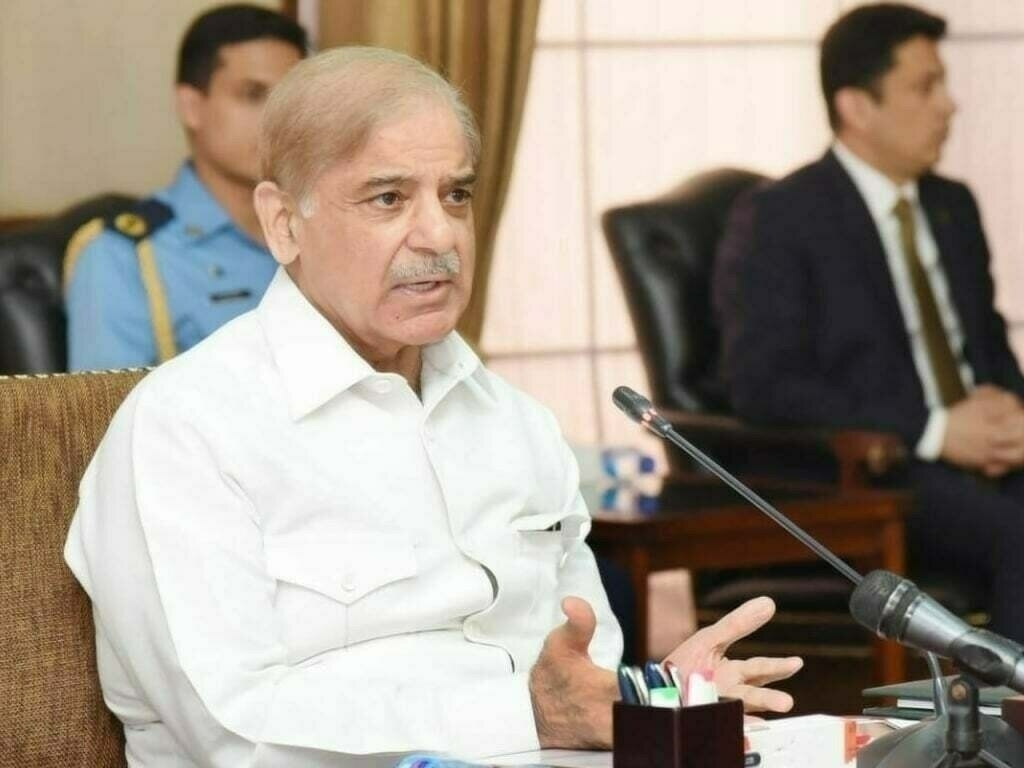

Prime Minister Shehbaz Sharif on Wednesday announced that the Privatisation Commission would be granted full legal autonomy. The goal, he said, is to eliminate bureaucratic delays and political interference that have long hindered Pakistan’s privatisation efforts.
Chairing a high-level meeting in Islamabad to review the progress on privatisation plans for 2024, the prime minister reiterated that privatisation is a top economic priority for his administration. He stressed that reviving Pakistan’s struggling economy depends heavily on the efficient, timely, and transparent divestment of underperforming public sector institutions.
“Privatisation must be handled effectively, comprehensively, and efficiently,” the premier stated.
PM Shehbaz emphasized that empowering the Privatisation Commission with legal independence is crucial to ensure that all decisions are made based on market conditions, devoid of undue political or bureaucratic pressure.
He issued a clear directive to government officials that the Commission’s actions must strictly adhere to legal frameworks, transparency standards, and best international practices.
“I will regularly monitor the progress of the ongoing work in the Privatisation Commission,” the prime minister warned, reflecting his personal commitment to pushing through long-delayed reforms.
The review meeting paid special attention to major state-run entities scheduled for privatisation in 2024. Among them are:
• Pakistan International Airlines (PIA)
• Several power distribution companies (Discos)
• Other ailing public sector institutions
These enterprises have long been a financial burden on the national exchequer, incurring billions in annual losses and contributing to fiscal imbalances.
Officials from the Privatisation Commission presented a phased roadmap for divesting these assets. This strategy is designed around legal, financial, and sector-specific dynamics, and has already been approved by the federal cabinet.
During the meeting, PM Shehbaz also addressed the issue of land misuse by public institutions. He noted with concern that illegal occupation of valuable national land assets is unacceptable under any circumstances.
He directed authorities to ensure that disposal of land assets is conducted with “every possible precaution” and in compliance with legal and regulatory guidelines.
The prime minister further stressed that all privatisation transactions must be professionally evaluated and benchmarked against international standards, ensuring that the process attracts credible investors and delivers value for taxpayers.
Another key theme of the meeting was the importance of involving professional experts throughout the privatisation and restructuring process. The prime minister underscored that sector-specific consultations will be vital to making informed decisions and ensuring institutional sustainability.
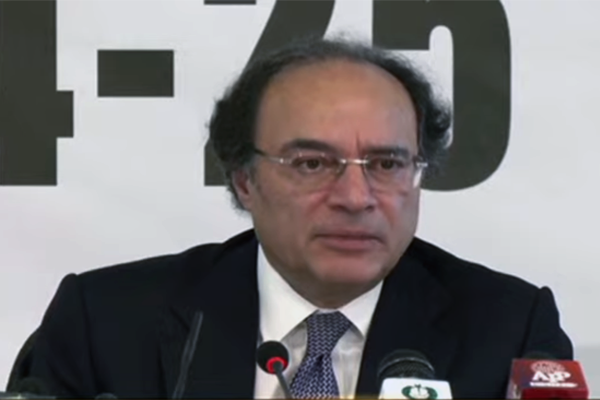
Federal ministers including Awais Leghari and Ahad Cheema, as well as Privatisation Commission Chairman Muhammad Ali, were present during the session. Senior government officials and policy advisers also attended, signaling the broad political and institutional support behind this initiative.
The renewed push for privatisation comes at a time of mounting fiscal constraints. Pakistan continues to grapple with high debt servicing, limited revenue generation, and ballooning budget deficits.
By divesting loss-making SOEs, the government aims to:
• Reduce its financial burden
• Boost investor confidence
• Stimulate private sector participation
• Improve service delivery through competition
Privatisation is also a key demand of international financial institutions such as the International Monetary Fund (IMF), which has long urged Pakistan to rationalize its public sector and improve fiscal discipline.
Despite numerous past announcements, successive governments have struggled to implement privatisation plans. Political opposition, legal hurdles, and administrative inefficiencies have stalled several high-profile cases.
However, with a clear directive from the prime minister and federal cabinet approval of a time-bound strategy, there appears to be new momentum to overcome these long-standing obstacles.
PM Shehbaz’s assurance that he will personally monitor progress suggests a seriousness that has often been lacking in previous efforts.