PTBP Web Desk
An independent policy research organization has challenged the government’s claim of Pakistan’s 3.7% economic growth in the first quarter, arguing that the reported expansion reflects accounting adjustments and import-led activity rather than genuine increases in domestic production. The assessment raises serious questions about the quality and sustainability of the country’s reported economic recovery.
The Economic Policy and Business Development (EPBD), in its latest report, described the headline growth figure as “growth on paper,” stating that it does not translate into real business activity or productive capacity. According to the think tank, methodological changes, price deflator manipulation, and reliance on imported inputs have created an illusion of progress while the underlying economy remains fragile.
EPBD argues that real economic growth must be driven by private sector expansion, domestic production, and exports. In contrast, the current figures, it says, are largely supported by imports, subsidies, and temporary policy measures that fail to generate long-term value.
A key concern highlighted in the report is the widening gap between exports and imports. Food exports declined sharply by 25.8%, while food imports increased by 18.8%, a trend that directly contradicts claims of production-led growth. EPBD notes that when an economy reports growth while exporting less and importing more, the expansion is unlikely to be sustainable.
The think tank also pointed to alarming trends in agriculture and textiles, two of Pakistan’s most important productive sectors. Cotton production and ginning reportedly declined during the period under review. Despite this, textile exports showed growth, which EPBD attributes primarily to increased use of imported synthetic fibers rather than locally produced cotton.
This pattern, the report explains, creates a misleading picture. Export numbers may rise, but domestic value addition remains weak, and farmers and local supply chains see little benefit. Over time, this undermines employment, rural incomes, and industrial resilience.
Construction and industrial activity were also scrutinized. EPBD observed that growth in these sectors relied heavily on imported machinery, raw materials, and energy subsidies. While such imports may boost short-term output figures, they do not reflect improvements in domestic productivity or competitiveness.
Electricity sector growth was cited as another example of distortion. According to EPBD, the sector’s reported expansion was driven largely by a sharp rise in government subsidies, which increased from Rs20 billion to Rs118 billion. Without these subsidies, the think tank argues, the sector would have struggled to post positive growth.
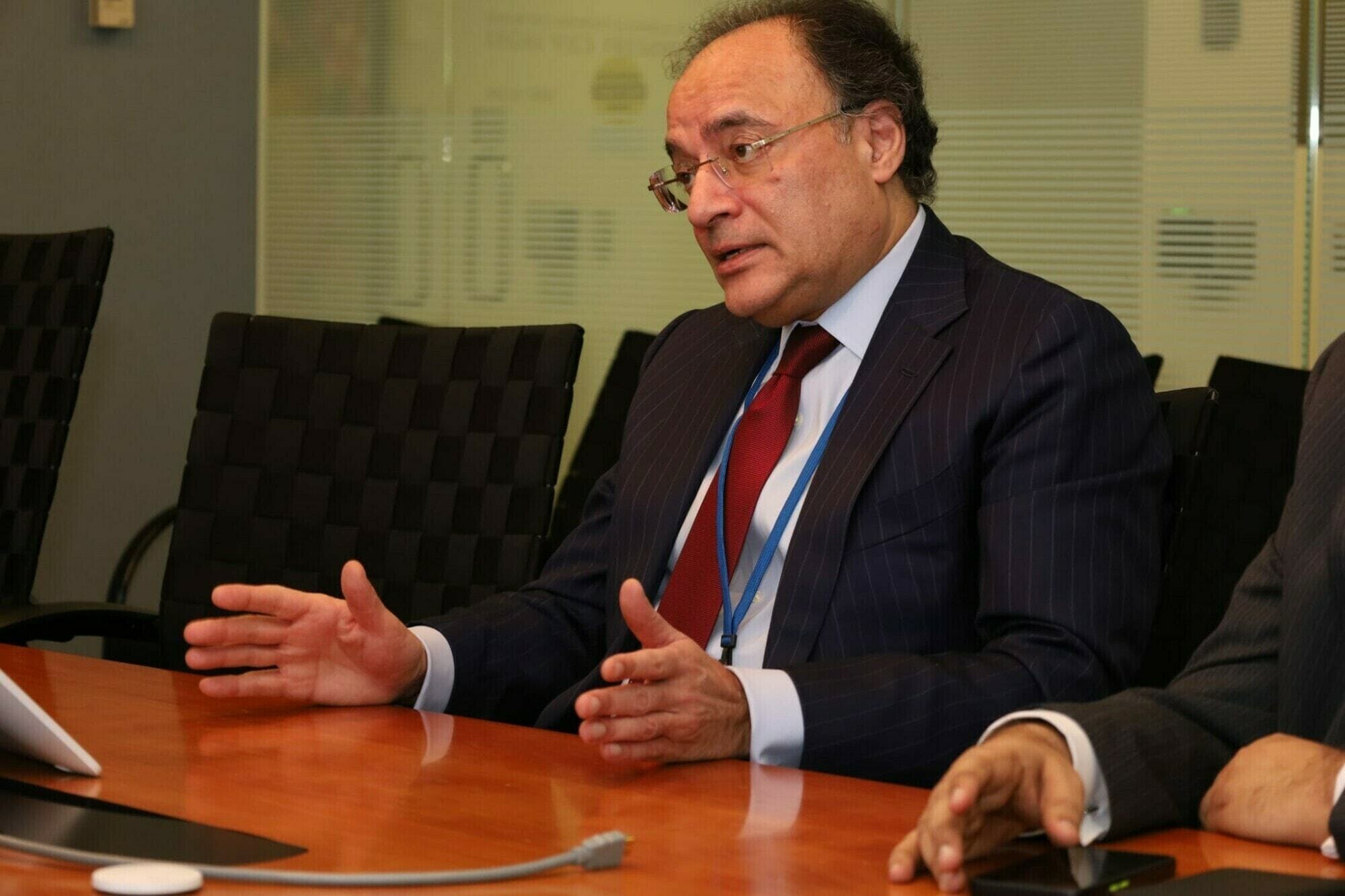
Ahmad Nawaz Sukhera, Chief Executive Officer of EPBD, summarized the concern by stating that numerical growth alone is meaningless if it is not supported by real economic activity. “Growth exists only on numbers; without real business activity, the economy cannot achieve sustained progress,” he said, emphasizing that policy credibility depends on tangible outcomes rather than statistical improvements.
The government, however, has welcomed the 3.7% growth figure as evidence that the economy is stabilizing after a period of severe stress. Shehbaz Sharif and Muhammad Aurangzeb have both described the data as a positive signal, pointing to improved macroeconomic indicators and renewed confidence.
EPBD does not deny that certain indicators have improved. However, it argues that the composition of growth matters more than the headline number. The report identifies several inconsistencies that, in its view, undermine the government’s narrative.
Among these is the claim of 9.4% industrial growth, which EPBD says appears inflated due to changes in price deflators rather than actual increases in output. When adjusted for real production, the growth rate would likely be significantly lower.
Similarly, construction sector growth is described as import-driven rather than locally generated. Imported steel, cement inputs, and machinery may boost activity in the short term, but they also increase foreign exchange outflows and weaken domestic supply chains.
The think tank further stressed that Pakistan’s business environment remains highly challenging. High taxation, elevated energy prices, frequent policy reversals, and regulatory uncertainty continue to discourage investment and limit manufacturing expansion. Without addressing these structural issues, EPBD warns, economic growth will remain fragile and overly dependent on external factors.
EPBD has urged the government to shift its focus toward private sector–led economic growth. This includes reducing reliance on imports, supporting domestic producers, simplifying tax structures, and ensuring consistent, predictable policies. Encouraging investment in local agriculture, industry, and value-added exports, the report argues, is the only way to convert statistical growth into real, sustainable development.