
PTBP Web Desk
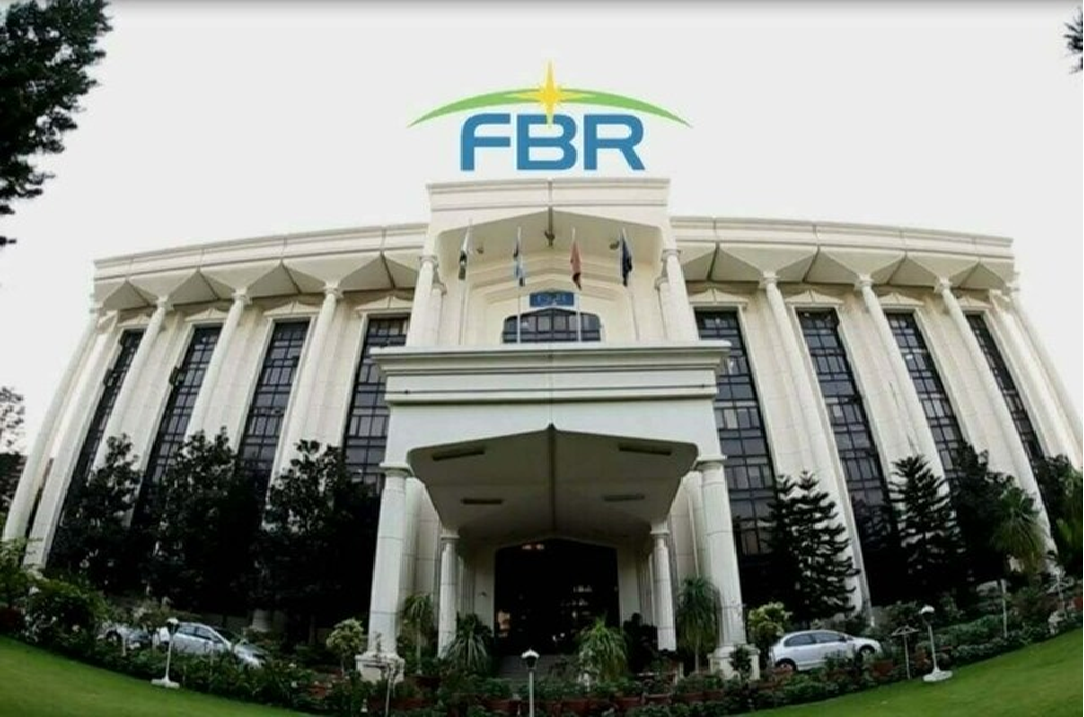
Efforts to strengthen Pakistan–Bangladesh tax cooperation and promote bilateral trade gained momentum as the High Commissioner of Bangladesh to Pakistan, Muhammad Iqbal Hussain Khan, held a detailed meeting with Chairman of the Federal Board of Revenue (FBR), Rashid Mahmood Langrial, at the FBR Headquarters in Islamabad. The high-level engagement focused on enhancing economic ties, improving tax coordination, and aligning bilateral arrangements with evolving international standards.
The meeting comes at a time when both countries are seeking to expand regional trade, attract cross-border investment, and modernise their tax frameworks in line with global best practices. Officials from both sides described the interaction as constructive and forward-looking, reflecting a shared intent to deepen institutional collaboration.
During the discussions, both sides paid tribute to the long-standing and historic relations between Pakistan and Bangladesh, describing them as brotherly ties rooted in shared history, culture, and regional interests. They agreed that stronger economic engagement, supported by modern tax arrangements, could give new substance to the bilateral relationship.
The two officials reaffirmed their commitment to strengthening bilateral ties, particularly through enhanced trade relations and deeper economic cooperation. They noted that improving the tax environment is a critical enabler for businesses seeking to operate across borders.
A key focus of the meeting was the role that revenue authorities can play in facilitating cross-border investment and trade. Both sides agreed that closer collaboration between tax administrations could help remove uncertainties faced by businesses, reduce compliance burdens, and promote transparency.
Chairman FBR Rashid Mahmood Langrial emphasised the importance of a predictable and transparent tax framework in encouraging investment. He noted that clear rules, consistent enforcement, and effective dispute-resolution mechanisms are essential for building investor confidence.
The Bangladesh High Commissioner echoed these views, stating that improved tax coordination could help unlock new opportunities for businesses in both countries, particularly in sectors such as textiles, pharmaceuticals, agriculture, and services.
An important outcome of the meeting was the agreement that technical teams from Pakistan and Bangladesh dealing with international taxation would engage in detailed discussions on the existing Double Taxation Avoidance Agreement (DTAA).
The DTAA is designed to prevent the same income from being taxed in both countries and to reduce the risk of fiscal evasion. However, both sides acknowledged that global tax rules are evolving rapidly, particularly in areas such as base erosion, profit shifting, and digital taxation.
The technical discussions will therefore take into account changing global tax standards and international best practices, ensuring that the agreement remains relevant, effective, and aligned with contemporary economic realities.
For reference, international tax standards are largely shaped by frameworks developed by organisations such as the Organisation for Economic Co-operation and Development (OECD) (external link: https://www.oecd.org/tax), which many countries, including Pakistan and Bangladesh, use as benchmarks.
Meanwhile, a high-level delegation from the National Board of Revenue (NBR) of Bangladesh is currently on an official visit to Pakistan from December 22 to December 26. The five-day visit aims to initiate formal negotiations on a protocol to amend the existing agreement between Pakistan and Bangladesh concerning the avoidance of double taxation on income and the prevention of fiscal evasion.
The delegation is led by Mohammad Lutful Azim, Member (International Taxes), National Board of Revenue. During the visit, officials from both countries are holding extensive technical sessions on international tax matters, exchanging experiences, and reviewing policy frameworks.
These discussions cover a range of issues, including enforcement mechanisms, compliance strategies, information exchange, and dispute resolution. Officials said the talks are intended to lay the groundwork for a more modern and comprehensive tax agreement.
Both sides stressed the importance of institutional cooperation through regular engagement and structured dialogue. Rather than relying on ad hoc interactions, the two countries agreed to strengthen formal channels of communication between their revenue authorities.
Sustained interaction, they noted, would help improve coordination, resolve technical issues more efficiently, and ensure consistent interpretation of tax rules. This approach is expected to reduce uncertainty for taxpayers and enhance overall compliance.
For Pakistan, strengthening tax cooperation is also part of broader efforts to reform its revenue system and improve its international standing. Readers interested in Pakistan’s tax administration reforms can find further details on the Federal Board of Revenue
The meeting concluded with a shared commitment to expand institutional collaboration and work jointly towards strengthening economic ties between Pakistan and Bangladesh. Both sides agreed that effective tax cooperation is essential for supporting long-term trade and investment flows.
Officials expressed optimism that continued engagement at both policy and technical levels would help address existing challenges and create new opportunities for businesses in both countries. By updating tax agreements and improving coordination, Pakistan and Bangladesh aim to foster a more business-friendly environment that supports sustainable economic growth.