PTBP Web Desk
Petrol prices in Pakistan have remained unchanged after Prime Minister Shehbaz Sharif rejected a summary proposing a sharp increase in fuel rates. The decision comes at a time when global oil prices are rising due to escalating geopolitical tensions, particularly in the Middle East.
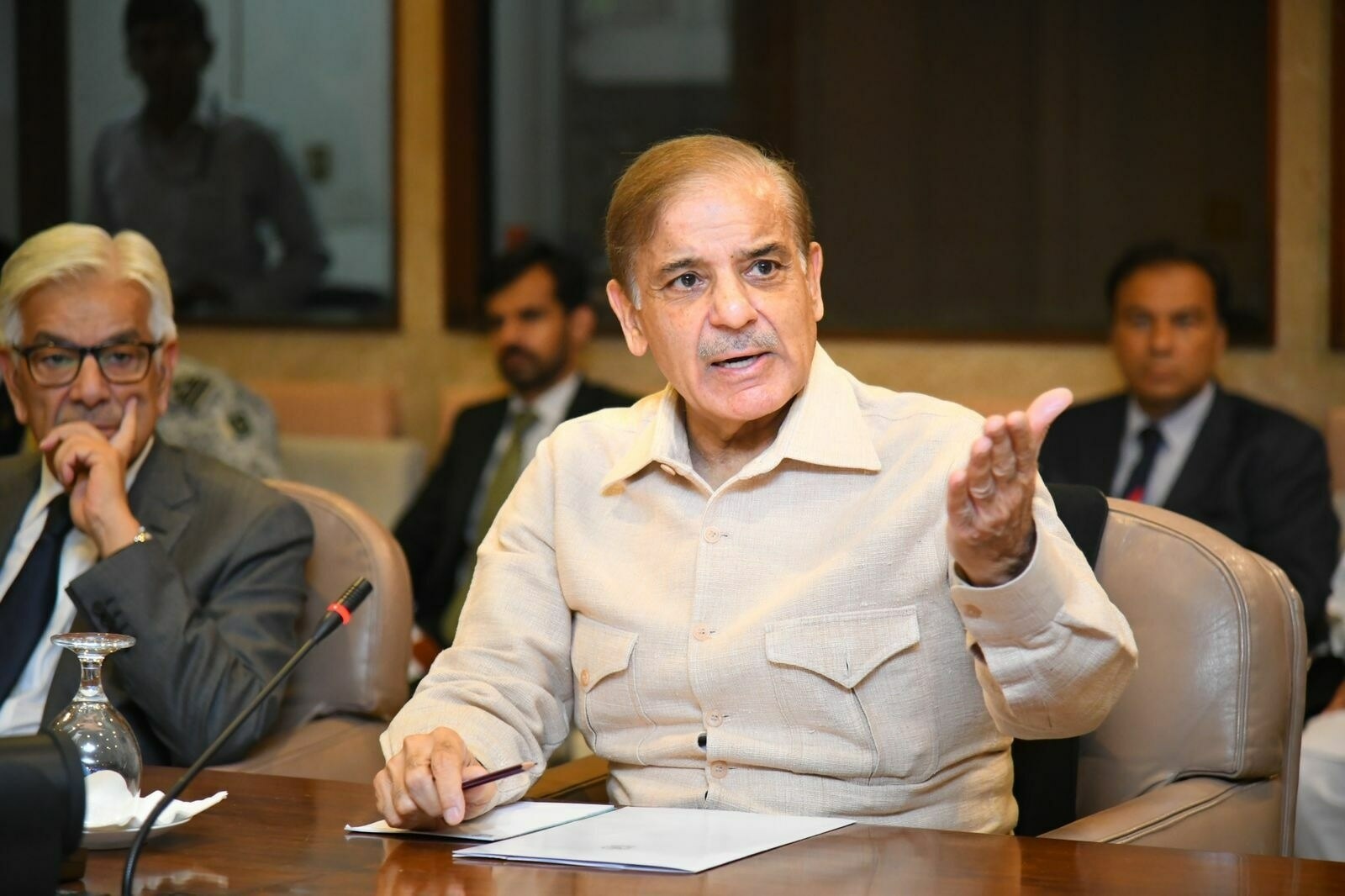
On Friday, Prime Minister Shehbaz Sharif announced that he had turned down a proposal to increase petrol prices by Rs95 per litre and high-speed diesel prices by Rs203 per litre. This move has provided significant relief to the public, which is already facing inflationary pressures.
According to the prime minister, the government has decided not to pass the financial burden onto citizens. Instead, it will absorb the additional cost itself, estimated at around Rs56 billion. This decision reflects the government’s effort to stabilize the economy and protect consumers from sudden price shocks.
Interestingly, the prime minister revealed that if fuel prices were adjusted strictly according to international market trends, petrol in Pakistan could have reached Rs544 per litre, while diesel prices might have surged to Rs790 per litre. However, the government chose to keep prices unchanged by absorbing approximately Rs125 billion over the past three weeks.
This development highlights the growing impact of global oil market volatility on Pakistan’s economy. Rising crude oil prices have been largely driven by ongoing conflicts in the Middle East. The situation intensified after military actions involving the United States, Israel, and Iran, which have disrupted global supply chains.
In particular, Iran’s decision to close the Strait of Hormuz — a crucial global oil transit route — has significantly contributed to the surge in oil prices. The Strait of Hormuz connects the Persian Gulf with the Gulf of Oman and is considered one of the most important chokepoints for global energy supply. Any disruption in this route leads to immediate price spikes in international oil markets.
Despite these challenges, the government’s decision to maintain petrol prices in Pakistan reflects a broader economic and diplomatic strategy. Prime Minister Shehbaz Sharif emphasized that Pakistan is actively engaged in diplomatic efforts to de-escalate tensions in the region.
He stated that Pakistan is working sincerely to help bring an end to the ongoing conflict so that Muslim countries and the wider region can avoid further destruction. According to him, these diplomatic efforts are not just part of Pakistan’s international responsibilities but are also guided by a commitment to the welfare of the Muslim Ummah.
The prime minister stressed the importance of unity among Muslim nations. He noted that regardless of sectarian or ideological differences, all Muslims share a common desire for peace and stability.
In line with this vision, Prime Minister Shehbaz Sharif has held multiple discussions with leaders from Iran and Gulf countries. These meetings are aimed at finding a peaceful resolution to the conflict through dialogue and mutual understanding.
Additionally, Deputy Prime Minister and Foreign Minister Ishaq Dar has been actively involved in diplomatic outreach, engaging with key stakeholders to promote peace initiatives. Meanwhile, Chief of Army Staff Field Marshal Asim Munir has also been playing a significant role in supporting these diplomatic efforts.
It is worth noting that earlier, on March 6, the government had increased petrol and diesel prices by Rs55 per litre. This hike was implemented in response to rising international oil prices following military escalation in the Middle East.
However, the latest decision to freeze fuel prices signals a shift in policy, prioritizing public relief over immediate economic adjustments. Analysts believe that while this move may increase fiscal pressure on the government, it could help control inflation and maintain economic stability in the short term.
stable petrol prices in Pakistan can support key sectors such as transportation, agriculture, and manufacturing. These sectors are highly sensitive to fuel costs, and any increase directly impacts the overall cost of living.
In conclusion, the decision to keep petrol prices unchanged demonstrates the government’s commitment to protecting citizens during uncertain times. At the same time, Pakistan’s active diplomatic role in the region highlights its broader vision of promoting peace and stability.
If global tensions ease and oil prices stabilize, the government may find it easier to maintain this relief in the coming weeks., continued volatility in international markets remains a key challenge for policymakers.