PTBP Web Desk
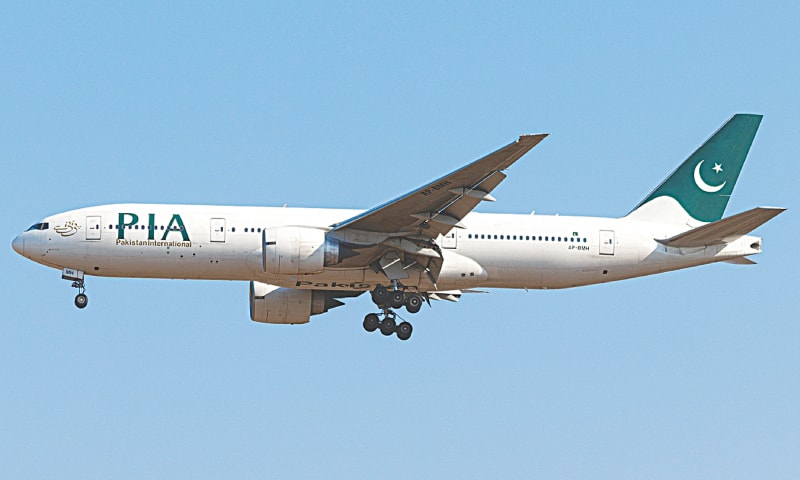
Pakistan’s long-awaited PIA privatisation process reached a decisive milestone on Tuesday when a consortium led by the Arif Habib Group emerged as the winning bidder for a 75 percent stake in Pakistan International Airlines. The consortium submitted a top bid of Rs135 billion, exceeding the government’s reference price by 35 percent and outpacing competing offers in a closely watched bidding contest.
The purchase price, the successful bidder committed to injecting Rs80 billion over the next five years to rehabilitate and expand the national flag carrier. This financial commitment was a core requirement of the transaction and is aimed at restoring PIA’s operational capacity, financial health, and global competitiveness.
Transparent Bidding Process Supervised by Privatisation Commission
The open bidding for the sale of 75 percent shares of PIACL was conducted at a local hotel under the supervision of the Privatisation Commission. The process was chaired by Muhammad Ali, Adviser to the Prime Minister on Privatisation, who oversaw the proceedings from the submission of sealed bids to the final evaluation.
In the initial phase, three prequalified bidders submitted their sealed financial offers. These bids were then scrutinised by the Privatisation Commission’s board and the Cabinet Committee on Privatisation in line with the government’s Rs100 billion reference price, ensuring compliance with financial and regulatory benchmarks.
Competitive Second Phase Pushes Final Price Higher
Following the review, the process moved into a second, competitive phase. Here, the Arif Habib Group-led consortium raised its offer to Rs135 billion, narrowly surpassing the Lucky Cement Limited-led consortium, which increased its bid to Rs134 billion. The base price for the second phase was set at Rs115 billion, the highest bid received during the first round.
During the first phase, the Arif Habib consortium had already led the field with an offer of Rs115 billion. Lucky Cement followed with Rs101.5 billion, while Airblue submitted a significantly lower bid of Rs26.5 billion. The Fauji Foundation withdrew from the process before final submissions, leaving three contenders in the race.
Government’s Strategic Objectives Behind PIA Privatisation
Addressing the ceremony, Muhammad Ali described the divestment of PIA as a cornerstone of the government’s broader economic reform and privatisation agenda. He expressed optimism that the successful bidding would not only stabilise the airline but also signal Pakistan’s seriousness about structural reforms, thereby opening new avenues for both local and foreign investment.
He explained that the decision to privatise PIA was initially taken in April, with plans to sell 51 to 100 percent shares. After further deliberation, the framework was revised to the sale of 75 percent shares, coupled with an option allowing the buyer to acquire the remaining 25 percent within 90 days.
Importantly, 92.5 percent of the proceeds from the transaction will be reinvested directly into PIA, while the government will retain 7.5 percent as revenue. This structure is designed to ensure that the bulk of funds are used to strengthen the airline rather than merely plugging fiscal gaps.
Ambitious Expansion and Strict Financial Criteria
The adviser also outlined ambitious operational goals, including plans to expand PIA’s fleet from 18 aircraft to 100 over time. Such growth is expected to restore routes, improve service quality, and enhance the airline’s international footprint.
To safeguard these objectives, the government imposed strict financial eligibility criteria on bidders. These included a minimum net worth of Rs30 billion (or USD 100 million) for lead consortia, annual revenues of at least Rs200 billion for non-airline entities, liquid assets of Rs28 billion, and a binding commitment to invest Rs80 billion within five years. These measures were intended to ensure that only financially capable and credible investors could take control of the national carrier.
Finance Minister Praises Transparency and Investor Confidence
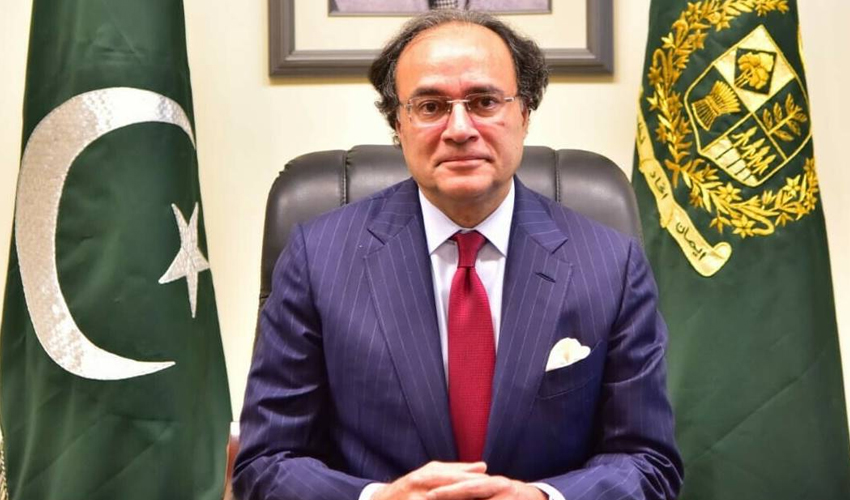
Finance Minister Muhammad Aurangzeb, speaking at the event, commended the Privatisation Commission and its team for conducting what he described as a transparent and competitive bidding process. He lauded Pakistan’s leading conglomerates for competing to acquire what he termed the country’s “best airline,” despite its recent challenges.
Aurangzeb expressed confidence that PIA, under private sector leadership and backed by experienced business professionals, could regain its former stature. He further noted that the success of the bidding process could encourage greater domestic investor participation, which in turn would attract foreign direct investment into Pakistan.
Broader Economic Implications
The successful conclusion of the PIA privatisation is widely seen as a litmus test for Pakistan’s reform agenda. Analysts believe it could strengthen investor confidence, support fiscal consolidation, and reduce the burden of loss-making state-owned enterprises.