PTBP Web Desk
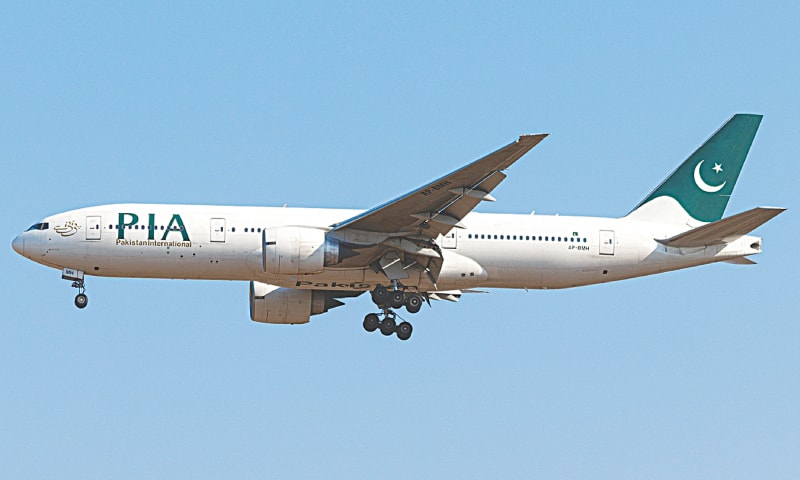
The long-awaited PIA privatisation bidding process formally began on Tuesday, marking a critical milestone in the government’s renewed effort to divest its majority stake in the national flag carrier, Pakistan International Airlines. Three competing consortia submitted sealed bids to acquire a 75 percent stake in PIA, setting the stage for what officials describe as a transparent, competitive, and accountable privatisation process.
According to details shared by the Privatisation Commission (PC), the authorised representative of the Lucky consortium was the first to submit its bid, followed by representatives of the Air Blue–Arif Habib Limited consortium. The submission of bids marked the completion of the first phase of the privatisation exercise, which has drawn significant attention from investors, policymakers, and the public alike.
Following the close of the initial bidding phase, the Privatisation Commission confirmed that the matter would be referred to the PC Board and the Cabinet Committee on Privatisation (CCOP). These bodies are responsible for reviewing and approving the minimum expected price, also known as the reference price, for the divestment of PIA’s shares.
Once the CCOP grants its approval, the process will move into the second phase later in the day. This stage involves the opening of sealed bids, which officials have confirmed will be conducted transparently and broadcast live to ensure public confidence.
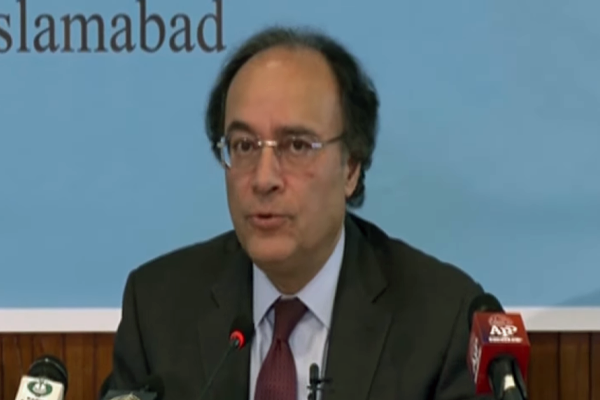
The sealed bids are scheduled to be opened at 3:30pm, in the presence of bidders, regulators, and members of the media. Privatisation Commission Chairman Muhammad Ali, in a video message released on Tuesday, said the process would strictly follow established rules and procedures.
“We will start at 3:30pm with the reference price approval,” he said. “The received bids will be opened in front of the media. If more than one bid is higher than the reference price, then there will be an open auction.”
In an official statement, the Privatisation Commission emphasised that the PIA privatisation bidding has been designed to ensure fairness and accountability.
“Today’s PIA bidding is built on transparency, efficiency, and responsibility—supporting fairness, accountability, and public trust through a clear process,” the commission said.
This emphasis reflects lessons learned from previous privatisation attempts, which faced criticism over weak investor participation and unresolved structural challenges.
Who Are the Bidders?
Three consortia remain in the race to acquire the controlling stake in PIA after the Fauji Foundation withdrew from the bidding process ahead of bid submission. The remaining bidders include:
- Lucky Consortium – comprising Lucky Cement Limited, Hub Power Holdings Limited, and Kohat Cement Company Limited.
- Metro Ventures (Private) Limited – a consortium that includes Arif Habib Corporation Limited, Fatima Fertiliser Company Limited, and City Schools (Private) Limited.
- Lake City Holdings (Private) Limited and Air Blue (Private) Limited, combining real estate and aviation sector experience.
Market analysts note that the diversity of the bidding groups reflects broad-based interest from industrial, financial, and aviation-related investors, increasing the likelihood of a competitive outcome.
Under the current privatisation structure, 75 percent of PIA’s shares are being offered to private investors. Of the total proceeds generated through the transaction, 92.5 percent will be injected directly into the company, while the remaining 7.5 percent will go to the federal government.
This reinvestment-focused structure aims to strengthen PIA’s balance sheet, support operational improvements, and help modernise the airline. The government will retain the remaining 25 percent stake, though the successful bidder will have the option to acquire it at a later stage.
According to the Privatisation Commission, PIA’s approved business plan projects significant operational growth. The airline’s fleet of 18 aircraft is expected to double within the next three to four years, provided the new ownership successfully implements restructuring and expansion strategies.
Officials have repeatedly stressed that the privatisation of PIA is a central pillar of Prime Minister Muhammad Shehbaz Sharif’s economic reform agenda. The government views the sale as essential for reducing fiscal pressure caused by loss-making state-owned enterprises (SOEs).
“The Government of Pakistan is firmly committed to ensuring a credible, open and authentic privatisation process in accordance with all rules and regulations,” the Privatisation Commission said, reaffirming its stance.
The PIA sale is also closely tied to Pakistan’s commitments under a $7 billion International Monetary Fund (IMF) programme, which calls for structural reforms, reduced subsidies, and improved governance of public-sector entities.
The current bidding round follows a failed privatisation attempt last year, when investor interest proved weaker than expected. At that time, the Blue World City consortium emerged as the sole bidder but refused to meet the Privatisation Commission’s minimum price expectation of Rs85.03 billion.
Instead, the consortium stuck to its original offer of Rs10 billion for a 60 percent stake, leading the government to terminate the process. The collapse highlighted deep-rooted challenges, including PIA’s debt burden, legacy liabilities, and operational inefficiencies.
Determined to revive the process, the government restarted the PIA sale in April, issuing a fresh Expression of Interest (EOI). Initially, June 3 was set as the deadline for submissions, but it was later extended to June 19 to attract broader participation.
Analysts believe the revised structure, clearer terms, and stronger political backing have improved investor confidence this time around. However, they caution that the final outcome will depend on bid values, post-sale governance, and the new owner’s ability to turn around the airline.
For related updates, readers can explore our internal coverage on Pakistan privatisation news and state-owned enterprise reforms. Additional background on privatisation frameworks is available on the official Privatisation Commission of Pakistan