
PTBP Web Desk
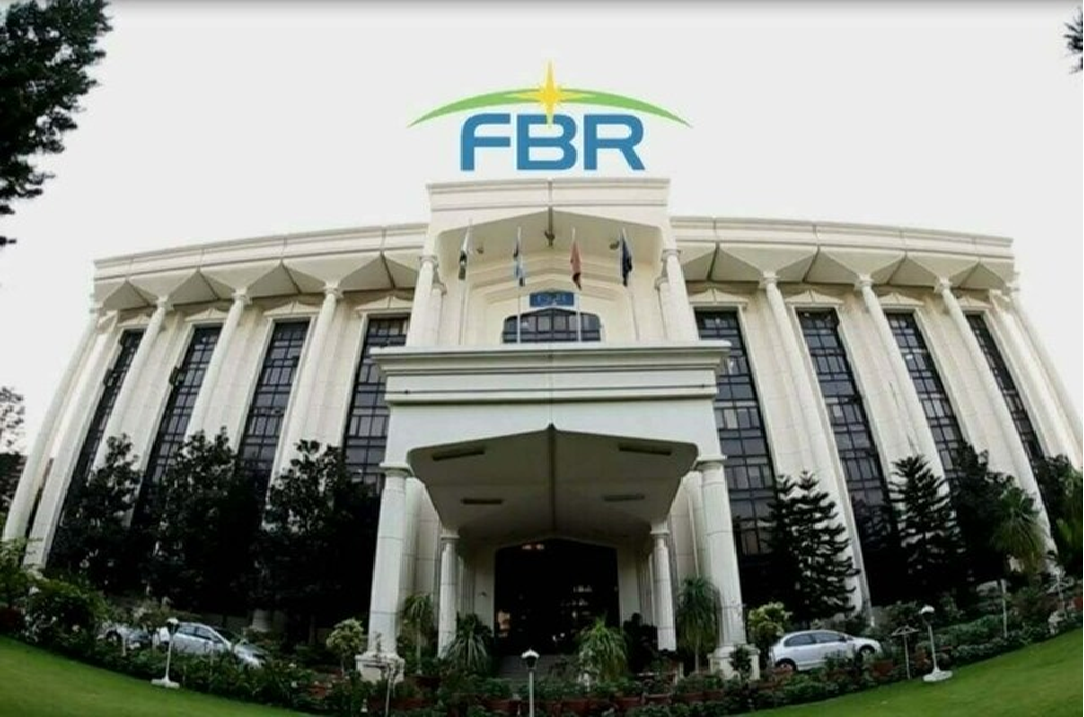
The federal government is planning to grant the Federal Board of Revenue (FBR) expanded authority to investigate civil servants whose assets appear disproportionate to their declared sources of income, as part of a broader effort to improve transparency and accountability in the public sector.
The proposal was discussed during a briefing to the Senate Standing Committee on Finance and Revenue, where senior officials from the Establishment Division and FBR outlined plans for a new digital asset monitoring framework.
According to officials, the government intends to introduce an artificial intelligence-based system capable of identifying unusual increases in the wealth and assets of government officers. The system will automatically generate red-flag alerts whenever suspicious financial activity or unexplained growth in assets is detected.
Establishment Division Secretary Nabeel Awan informed lawmakers that the digital declaration system is expected to become operational by December 2026. Under the new framework, asset and financial declarations of all civil servants from Grade 17 to Grade 22 will be made publicly accessible.
Officials stated that civil servants will also be required to disclose details regarding family-owned assets, foreign travel, and other financial interests. Authorities believe the expanded disclosure requirements will strengthen oversight and reduce the risk of corruption and hidden wealth accumulation within government institutions.
Under the proposed mechanism, FBR officials, including the chairman and member inland revenue, will have the authority to initiate investigations if the AI-driven monitoring system flags abnormal or suspicious increases in assets over multiple years.
The government is reportedly focusing on cases where officers continue filing declarations for three consecutive years while showing unexplained growth in wealth or ownership of assets that appear inconsistent with official income sources.
Officials told the committee that the new system aims to modernize financial oversight by combining digital records, automated scrutiny, and risk-based analysis. The initiative is also expected to improve coordination between the Establishment Division and FBR in monitoring public officials.
The move comes as Pakistan continues efforts to strengthen governance reforms, improve tax compliance, and increase institutional transparency under broader economic reform plans.
Analysts believe the use of artificial intelligence in asset monitoring could significantly enhance accountability if implemented effectively and fairly. However, experts also stress the need for clear legal safeguards, data protection measures, and transparent procedures to prevent misuse of the system.
The proposed reforms are expected to become part of the government’s wider agenda to digitize financial reporting and strengthen anti-corruption mechanisms across public institutions.