PTBP Web Desk
Pakistan’s debt servicing and defense spending continued to dominate the federal budget during the first nine months of fiscal year 2025-26, significantly surpassing development expenditure, according to the latest fiscal operations report released by the Ministry of Finance.
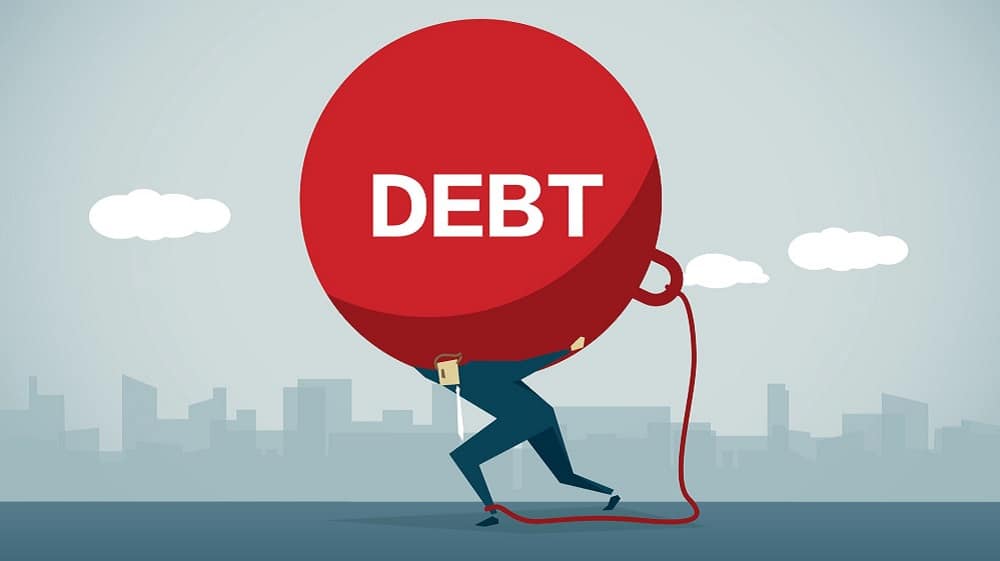
The report revealed that debt servicing remained the government’s largest expenditure category from July to March FY26. Total payments for domestic and external debt reached nearly Rs. 4.95 trillion, reflecting the growing financial burden created by high interest rates, rising borrowing costs, and increasing external obligations.
At the same time, defense expenditure stood at approximately Rs. 1.689 trillion during the same period. The increase comes amid rising regional security concerns and continued geopolitical uncertainty, which have placed additional pressure on Pakistan’s fiscal position.
In comparison, total development expenditure and net lending remained considerably lower at around Rs. 1.83 trillion. This amount included spending under the Public Sector Development Programme (PSDP), which remained constrained as the government attempted to maintain fiscal discipline under the International Monetary Fund (IMF) programme.
The figures once again highlighted the widening imbalance in Pakistan’s fiscal structure, where a major portion of government revenues is being consumed by debt repayments and defense-related expenses, leaving limited fiscal space for infrastructure development, social welfare, and economic growth initiatives.
According to the Finance Ministry report, Pakistan’s debt servicing costs have surged sharply over the past two years due to repeated policy rate hikes by the State Bank of Pakistan, along with continued reliance on domestic and foreign borrowing to finance budget deficits.
The report also pointed to weaknesses in fiscal management and financial reporting. A statistical discrepancy of Rs. 444 billion was recorded during the first nine months of FY26, compared with Rs. 205.69 billion during the same period last year. The gap reflected unresolved differences between reported revenue and expenditure figures.
Among the provinces, Punjab recorded the highest statistical discrepancy at Rs. 246.62 billion. Khyber Pakhtunkhwa followed with Rs. 111.918 billion, while Balochistan reported Rs. 104.327 billion and Sindh Rs. 39.939 billion.
Economic analysts say the growing debt burden is reducing the government’s ability to invest in long-term development projects. They warn that continued dependence on borrowing, combined with high financing costs, could further weaken Pakistan’s fiscal outlook unless structural reforms are implemented.
The government is currently working under IMF-backed fiscal targets aimed at reducing deficits, controlling expenditures, and improving revenue collection. However, rising energy costs, defense requirements, and debt obligations continue to challenge these efforts.
Experts believe Pakistan will need broader tax reforms, improved expenditure management, and stronger economic growth to ease fiscal pressure and create more room for development spending in future budgets.