PTBP Web Desk
Gold prices in Pakistan rose on Tuesday, reflecting an upward trend in the international bullion market as investors reacted to global economic signals and currency movements. The increase in domestic gold rates followed a consistent pattern of gains observed over the past few sessions, indicating continued volatility in precious metal markets.
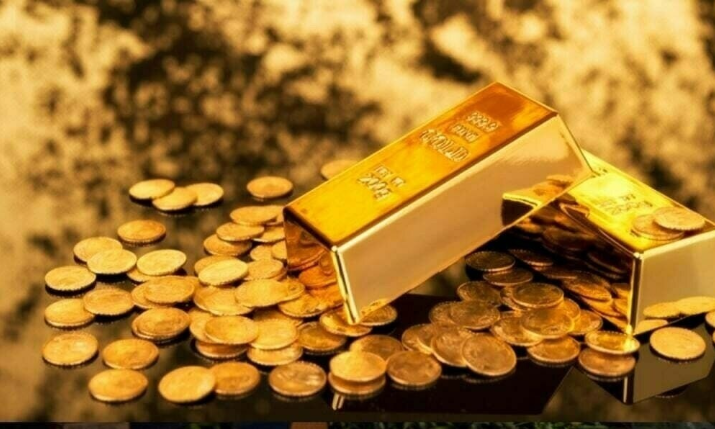
According to the latest data shared by the All-Pakistan Gems and Jewellers Sarafa Association (APGJSA), the price of gold per tola in Pakistan climbed to Rs478,762 after registering an increase of Rs2,800 during the day. Similarly, the price of 10-gram gold rose by Rs2,401, bringing it to Rs410,461. These changes come amid ongoing fluctuations in global gold prices, which continue to influence local market dynamics.
A day earlier, on Monday, gold prices had also recorded a significant increase. The per tola rate reached Rs475,962 after gaining Rs3,900 during the session. This consecutive upward movement highlights the sensitivity of Pakistan’s gold market to international price trends, as well as domestic factors such as currency stability and import costs.
On the global front, gold prices increased by $28 per ounce, reaching $4,560 per ounce, including a premium of $20. The international rise has been attributed to a combination of factors, including geopolitical uncertainties, shifts in interest rate expectations, and fluctuations in the US dollar. Gold is often considered a safe-haven asset, and demand typically rises during periods of economic uncertainty.
Reports from international financial outlets such as Reuters have previously noted that gold prices tend to respond strongly to changes in inflation data and central bank policies, particularly those of the US Federal Reserve. Higher interest rates can pressure gold prices, while expectations of rate cuts often support upward momentum. More details on global bullion trends can be found through Reuters coverage at https://www.reuters.com/markets/commodities/.
In Pakistan, gold pricing is largely influenced by import parity, exchange rate movements, and local demand. The Pakistani rupee’s performance against the US dollar plays a crucial role in determining domestic gold rates. When the rupee weakens, imported commodities like gold become more expensive, contributing to higher local prices.
According to economic analysis published by Dawn, gold demand in Pakistan typically rises during wedding seasons and periods of economic uncertainty, as consumers and investors seek to preserve wealth. Historical trends show that gold has remained a preferred hedge against inflation in the country, particularly during times of currency depreciation and macroeconomic instability. Further context on Pakistan’s commodity markets and economic trends can be explored at https://www.dawn.com/.
The recent upward trend in gold prices also reflects broader conditions in global commodity markets. Supply constraints, central bank gold purchases, and investor sentiment have all contributed to sustained demand. Central banks in several countries have been increasing their gold reserves in recent years, further supporting global prices. According to industry reports, this trend has played a role in maintaining strong support levels for gold despite periodic corrections.
In addition to gold, silver prices also experienced an increase in the local market. The price of silver rose by Rs260 per tola, reaching Rs7,784. Like gold, silver prices are influenced by both industrial demand and investment activity, making them sensitive to global economic conditions.
Market analysts suggest that precious metals may continue to experience volatility in the near term as investors respond to inflation data, interest rate decisions, and geopolitical developments. Any shifts in global monetary policy or unexpected economic indicators could trigger further price adjustments in both international and domestic markets.
For Pakistani consumers, rising gold prices often translate into higher costs for jewelry and related purchases. This can impact demand, particularly in price-sensitive segments of the market. However, long-term investors may view gold as a stable store of value, especially during periods of economic uncertainty.