
PTBP Web Desk
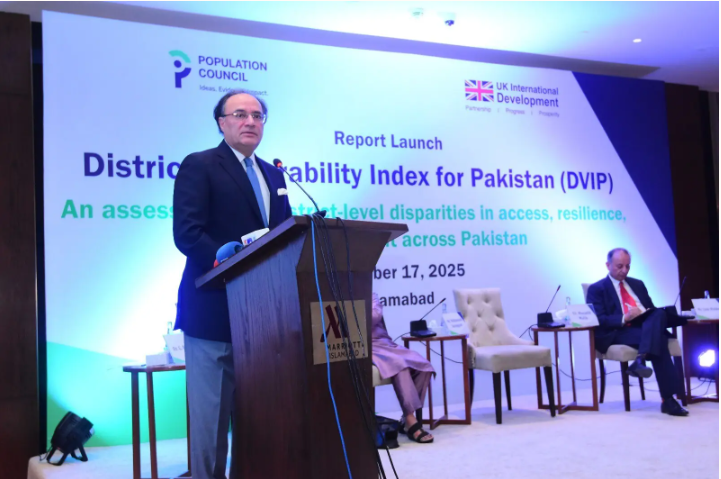
The Cabinet Committee to Monitor Petrol Prices said Pakistan’s fuel supply position remains stable, with sufficient petrol and diesel stocks available across the country. The committee reviewed petroleum availability during a meeting chaired by Finance Minister Muhammad Aurangzeb in Islamabad on Monday.
Officials informed the committee that diesel stocks currently provide around 23 to 24 days of cover, while petrol availability remains comfortable. Crude oil stocks were reported at approximately 11 days of cover, with additional cargoes already in transit to ensure uninterrupted refinery operations through April.
The Cabinet Committee to Monitor Petrol Prices emphasized the need for vigilant monitoring to prevent speculative stockholding and ensure smooth fuel distribution nationwide. Authorities were directed to maintain strict oversight, particularly at retail outlets, to avoid artificial shortages in the domestic market.
The Petroleum Division briefed the meeting that import plans for April are being actively managed. Significant volumes have already been secured through both commercial contracts and government-to-government agreements. Officials said these arrangements aim to stabilize fuel supply while reducing exposure to volatile international spot markets.
Refinery operations across Pakistan are currently running at optimal levels. Efforts are underway to maximize throughput and convert crude oil into refined petroleum products efficiently. This strategy is critical to meeting rising domestic demand, which has increased in recent weeks due to higher economic activity and seasonal factors.
The committee also reviewed developments in global oil markets, noting increased volatility and rising benchmark prices. International crude oil rates have surged in recent weeks due to geopolitical tensions in the Middle East, leading to higher cargo premiums for both petrol and diesel. According to global energy reports, supply-side uncertainties have tightened markets, increasing procurement costs for importing countries like Pakistan.
Members stressed the importance of prudent procurement strategies under these conditions. The government is prioritizing long-term and government-backed supply agreements, which offer relatively lower costs compared to spot purchases. This approach helps shield the domestic market from sudden price spikes and ensures price stability for consumers.
Operational matters such as shipping logistics, insurance arrangements, and fuel import coordination were also discussed. The committee reviewed proposals regarding the use of national shipping resources and agreed that all decisions would be guided by transparency and commercial viability to ensure uninterrupted supply.
The Cabinet Committee to Monitor Petrol Prices also assessed domestic demand patterns. It noted a noticeable increase in fuel offtake in recent weeks. In response, provincial governments and regulatory authorities have been instructed to enhance enforcement measures and market surveillance to maintain discipline in the petroleum supply chain.
In addition, the committee reviewed progress on improving monitoring systems through digital integration. Authorities are working on developing a real-time data dashboard to track fuel availability across the supply chain, including retail outlets. This initiative aims to improve decision-making and enable timely interventions in case of supply disruptions.
The meeting also discussed a proposal focused on fuel specification and pricing optimization. The plan is intended to improve fuel efficiency, reduce consumption costs, and support local refining capacity. The proposal will undergo further consultation with stakeholders, including refineries and oil marketing companies, before final approval.