PTBP Web Desk
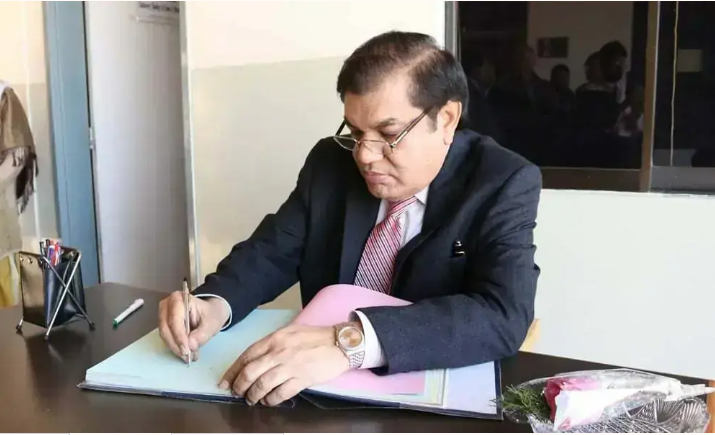
Mian Zahid Hussain, President of the Pakistan Businessmen and Intellectuals Forum and the All Karachi Industrial Alliance, as well as Chairman of the National Business Group Pakistan and Chairman of the Policy Advisory Board of the Federation of Pakistan Chambers of Commerce and Industry, has expressed deep concern over the escalating US-Israel-Iran conflict impact on Pakistan economy.
He warned that the ongoing crisis is causing unprecedented economic damage, particularly affecting the industrial hub of Karachi.
According to Mian Zahid Hussain, the intensifying hostilities between the United States, Israel, and Iran have created a dangerous geopolitical situation that is already producing serious economic consequences for Pakistan.
He explained that the situation has become even more alarming because of the blockade of the Strait of Hormuz. This vital shipping route carries a significant portion of the world’s energy supply, and its disruption has placed more than twenty percent of global oil and gas exports at risk.
As a result, the economies of countries within the Gulf Cooperation Council have also faced downward revisions in their economic forecasts. Hussain stressed that such developments are not only affecting global markets but are also placing immense pressure on Pakistan’s fragile economy.
Karachi Industrial Sector Facing Severe Disruptions
Mian Zahid Hussain highlighted that the logistical consequences of the crisis are becoming extremely difficult for industries in Karachi.
Due to rising geopolitical tensions and security concerns in maritime routes, many international shipping companies are avoiding the region. This has significantly disrupted trade and cargo movement to and from Pakistan.
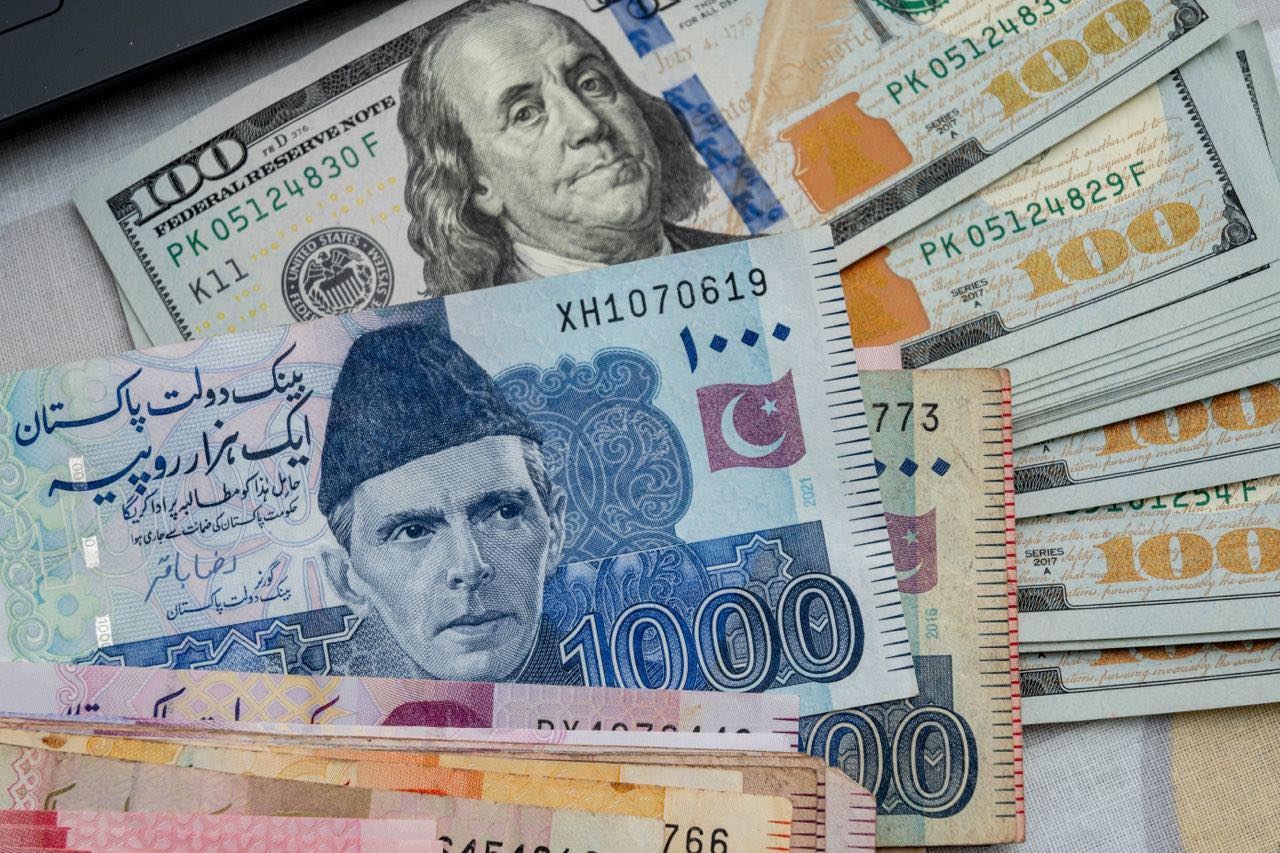
Industrial zones such as SITE, Korangi, and Landhi—major manufacturing centers of Karachi—are now experiencing a severe shortage of empty shipping containers. At the same time, freight charges have surged sharply, making imports and exports significantly more expensive for businesses.
He further explained that the shortage of containers and higher shipping costs are creating major challenges for industrial operations. Businesses that rely heavily on international trade are struggling to maintain their production cycles.
Delays in Raw Material Imports Affecting Production
Mian Zahid Hussain also pointed out that essential raw materials required for the textile, pharmaceutical, and manufacturing sectors are facing significant delays at Karachi Port Trust and Port Qasim.
These delays have created a severe backlog of shipments at the ports. As a result, factories are finding it increasingly difficult to maintain their production schedules.
Because of these disruptions, export orders are being affected and factory output is shrinking. Hussain warned that the rising cost of production is putting additional pressure on manufacturers, which could ultimately lead to layoffs across various industries in Pakistan.
He emphasized that the situation demands urgent attention because Karachi’s industrial sector plays a central role in the national economy and export performance.
Pakistan’s Diplomatic Efforts Praised
Despite these economic challenges, Mian Zahid Hussain commended the proactive diplomatic efforts of Pakistan’s civilian and military leadership.
He noted that recent high-level visits to the Saudi Arabia demonstrate Pakistan’s commitment to maintaining strong relations with its closest regional allies and promoting peace in the region.
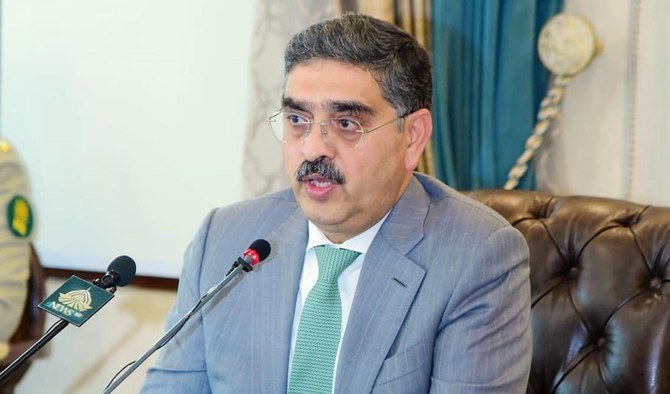
Hussain stated that Pakistan is advocating for the sovereignty of all nations and calling for an immediate end to hostilities. However, he also emphasized that any unprovoked aggression that threatens the stability of Gulf partner countries cannot be ignored.
Balancing Diplomacy and Economic Stability
According to Hussain, Pakistan is currently engaged in a delicate diplomatic balancing act. The country is trying to prevent further escalation of conflict among strategic partners while also managing domestic economic pressures.
He noted that the government is simultaneously implementing necessary economic austerity measures in order to help the country withstand the economic impact of the crisis.
Mian Zahid Hussain reaffirmed that Pakistan’s business community fully supports the leadership’s efforts to navigate the situation. He emphasized the importance of safeguarding national energy security and working toward a peaceful resolution of the conflict.
He concluded that restoring stability in the Middle East is essential not only for regional peace but also for the recovery of the global economy and the protection of Pakistan’s industrial sector.