PTBP Web Desk
In response to growing public criticism over the sharp increase in fuel prices, the government has introduced a Pakistan fuel subsidy for public transport aimed at easing the financial burden on citizens. The initiative is expected to reduce the impact of rising diesel costs on transport fares and overall inflation.
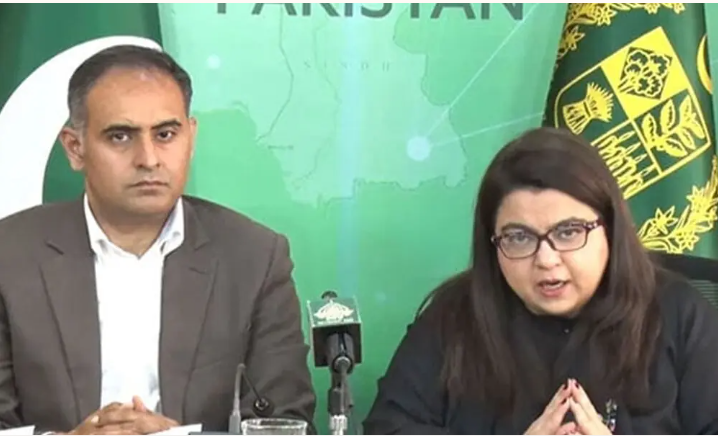
The announcement was made during a joint press conference by Information Technology and Telecommunication Minister Shaza Fatima Khawaja and Minister of State for Finance and Revenue Bilal Azhar Kayani. Officials confirmed that the subsidy has already been implemented and is effective immediately.
According to the government, the subsidy has been rolled out without delay due to the urgency of the situation. Although it was initially scheduled to be launched later, the Prime Minister directed authorities to implement it immediately.
Shaza Fatima Khawaja explained that trucks, buses, and other public transport vehicles have already started receiving the subsidy. The objective is to prevent a rise in transport fares, which often follows increases in diesel prices.
She noted that higher diesel costs directly contribute to inflation, as they increase transportation expenses for goods and passengers alike. By subsidizing fuel for transport operators, the government aims to stabilize prices and protect consumers.
The Pakistan fuel subsidy public transport program covers a wide range of vehicles involved in public service. These include:
- Heavy transport vehicles such as trucks
- Passenger buses and vans
- Large goods carriers
- Motorbikes registered for public use
Eligibility for the subsidy is based on vehicle registration data provided by provincial governments. Only vehicles registered with relevant excise authorities are included in the program.
The government has indicated that the distribution of subsidy payments will be completed within a few days, ensuring quick relief for transport operators and passengers.
The subsidy plan was developed after extensive consultations between the federal government and provincial authorities. Prime Minister Shehbaz Sharif personally chaired meetings to finalize the framework and ensure coordination across different regions.
Officials emphasized that collaboration with provinces was essential to create a transparent and efficient system. The use of verified registration data is expected to minimize misuse and ensure that benefits reach the intended recipients.
A key objective of the initiative is to prevent an increase in public transport fares. Rising fuel prices often lead transport operators to raise fares, which directly impacts daily commuters and low-income groups.
By providing targeted subsidies, the government hopes to stabilize fares and limit the ripple effects of inflation. This is particularly important in urban areas where millions rely on public transport for daily travel.
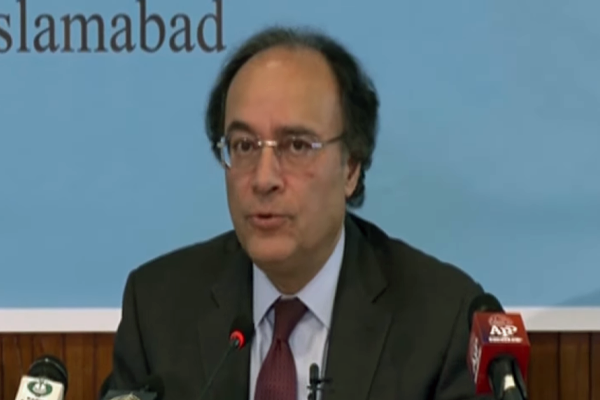
During the press conference, Bilal Azhar Kayani revealed that the government has already spent 129 billion rupees to cushion the impact of rising fuel prices.
He noted that fuel prices were kept unchanged for three consecutive weeks as part of efforts to provide relief to the public. This step was taken despite increasing global petroleum prices, which have put pressure on domestic pricing.
Kayani also assured that there is no shortage of fuel in the country, and supply chains remain stable despite regional geopolitical tensions.
The government has taken additional measures to ensure uninterrupted fuel supply nationwide. Officials highlighted that since the onset of regional conflict, authorities have maintained close monitoring of fuel stocks and distribution systems.
This proactive approach is intended to prevent panic buying, hoarding, or artificial shortages that could further drive up prices.
The launch of the Pakistan fuel subsidy public transport scheme is part of a broader strategy to manage inflation and protect consumers from rising living costs.
Fuel prices have a cascading effect on the economy. When diesel prices increase, transportation costs rise, leading to higher prices for essential goods and services. By targeting the transport sector, the government aims to control one of the key drivers of inflation.