
PTBP Web Desk
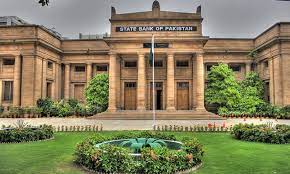
Pakistan is set to undergo a significant financial shift as it prepares to repay $2 billion to the United Arab Emirates (UAE) by the end of April 2026. Official sources confirmed this development on Friday, marking a departure from the traditional cycle of debt rollovers. These funds have historically been held as a deposit with the State Bank of Pakistan (SBP) to bolster foreign exchange reserves.
For several years, the UAE has supported Pakistan’s economic stability by extending these deposits. However, recent geopolitical shifts and regional war pressures have prompted the UAE to request the immediate return of these specific tranches. This repayment represents a critical moment for Pakistan’s fiscal managers as they navigate a complex landscape of external liabilities.
The Mechanics of the UAE Deposit and Interest
The $2 billion in question is part of a larger **$3 billion support package** provided by the Abu Dhabi Fund for Development. This package was originally delivered in three separate tranches to assist Pakistan during periods of low liquidity. While the UAE traditionally offered annual rollovers, recent extensions had become increasingly short-term, limited to monthly renewals.
Pakistan has been paying approximately 6 percent interest on these deposits. While Deputy Prime Minister Ishaq Dar successfully secured a temporary extension until April 17, 2026, after high-level talks, the UAE’s latest request emphasizes a firm deadline for the return of the capital. Meanwhile, a third tranche of $1 billion is still scheduled to mature later in July 2026.
Managing the Broader Debt Landscape
The repayment to the UAE is only one piece of a much larger puzzle regarding external deposits. In the current fiscal year, Pakistan is actively managing nearly $12 billion in external debt rollovers. This includes substantial deposits from other key allies:
- Saudi Arabia: Significant deposits requiring constant diplomatic engagement.
- China: Safe deposits that form the backbone of the current reserve levels.
Despite the $2 billion outflow, Pakistan’s economic team remains optimistic about maintaining reserve stability through other inflows. The government is focusing on meeting all international obligations to preserve its credit rating and ensure continued support from multilateral lenders like the IMF.