PTBP Web Desk
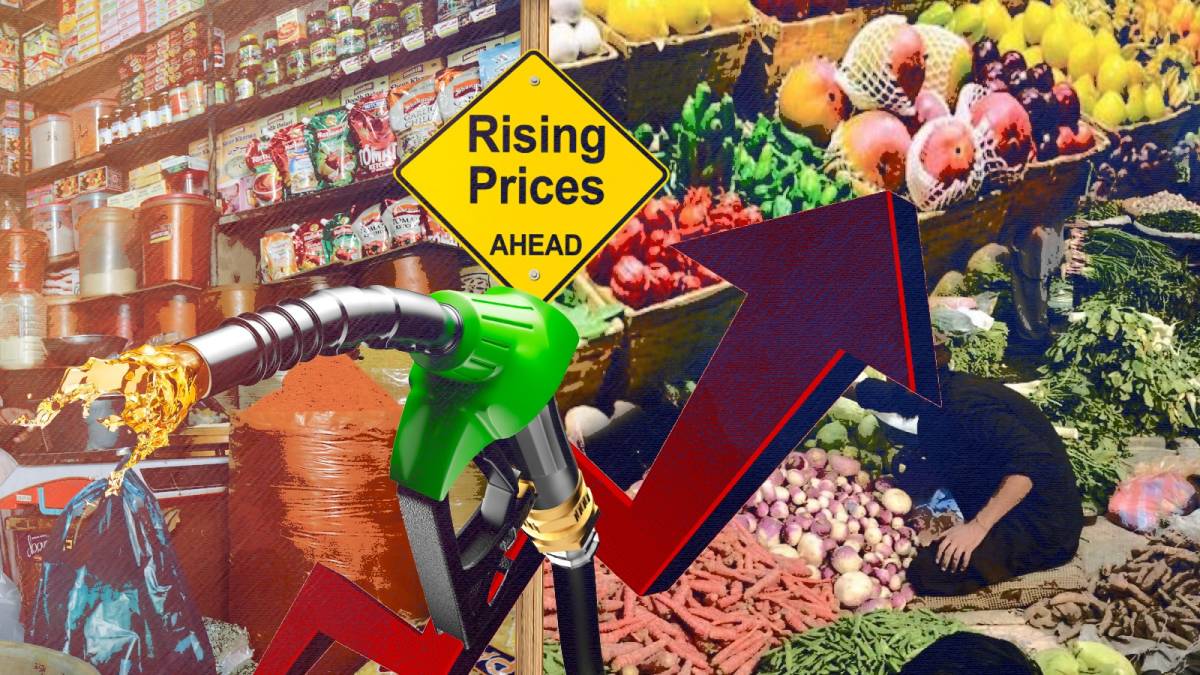
The SPI inflation in Pakistan has continued its upward trajectory, reaching 13.98 percent for the week ending April 23, according to the latest data released by the Pakistan Bureau of Statistics. This marks a notable increase from 12.16 percent recorded in the previous week, highlighting persistent inflationary pressures across essential commodities.
Key Drivers of Inflation
The surge in SPI inflation in Pakistan has largely been driven by rising energy and food prices. According to official figures, electricity charges increased by a staggering 54.02 percent, while Liquefied Petroleum Gas (LPG) prices jumped by 50.68 percent. Similarly, petrol and diesel prices rose by 44.10 percent and 36.76 percent respectively.
Food items also contributed significantly to the increase. Wheat flour prices climbed by 36.06 percent, onions by 31.89 percent, and tomatoes by 23.46 percent. Additionally, prices of essential protein sources such as mutton and beef rose by 15.18 percent and 13.27 percent respectively. Other items like powdered milk and garlic also recorded notable increases.
Impact Across Income Groups
The rise in SPI inflation in Pakistan has affected households across all income brackets. On a year-on-year basis, lower-income households earning up to Rs17,732 experienced an 11.38 percent increase in SPI. Meanwhile, the Rs17,733–22,888 income group saw a sharper rise of 14.16 percent.
Middle-income groups were also impacted, with households earning between Rs22,889 and Rs29,517 recording a 12.47 percent increase. Similarly, the Rs29,518–44,175 bracket saw inflation rise by 12.28 percent. The highest income group, earning above Rs44,175, experienced a 13.45 percent increase, indicating that inflationary pressures are widespread.
Mixed Trends in Commodity Prices
Despite the overall increase, some commodities witnessed price reductions on an annual basis. Potatoes recorded a sharp decline of 47.38 percent, while gram pulse prices fell by 19.92 percent. Other items such as sugar, salt powder, and various pulses also showed moderate declines.
On a week-on-week basis, prices of tomatoes dropped significantly by 27.65 percent, followed by onions, diesel, and LPG. However, certain items registered increases, including potatoes, bread, cooking oil, eggs, and meat products.
Weekly SPI Movement
Interestingly, the weekly SPI data indicates a slight reduction across all income groups. Households in the lowest income bracket saw a 0.41 percent decrease, while other income groups experienced marginal declines ranging from 0.30 percent to 0.36 percent. This suggests short-term relief in some commodities despite the overall upward trend.