PTBP Web Desk
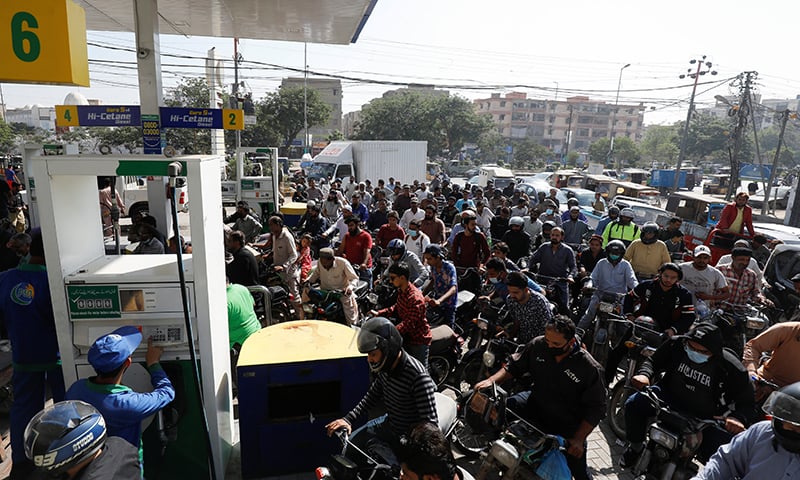
The government has announced a sharp increase in petrol and diesel prices in Pakistan, raising both fuels by Rs26.77 per litre for the upcoming week. The revised prices, effective from April 25, reflect mounting global oil pressures and regional geopolitical tensions that continue to impact domestic fuel costs.
According to a notification issued by the Ministry of Energy Pakistan, the price of high-speed diesel (HSD) has surged to Rs380.19 per litre, up from Rs353.42. Similarly, petrol prices have climbed to Rs393.35 per litre, compared to the previous rate of Rs366.58. The increase marks one of the most significant weekly hikes in recent months, intensifying concerns over inflation and cost of living.
Petroleum Minister Ali Pervaiz Malik stated that the increase in petrol and diesel prices in Pakistan is primarily driven by rising international oil prices. He attributed the surge to ongoing regional tensions, which have disrupted global supply chains and pushed crude oil prices upward.
“Due to mounting pressure from rising oil prices and commitments with global partners, the government is compelled to pass on the burden to consumers,” the minister said. He added that authorities had attempted to absorb part of the increase but were left with limited fiscal space.
The minister also emphasized that both federal and provincial governments had previously introduced relief measures to cushion the impact on the public. However, sustained increases in global oil prices have made it difficult to continue subsidies at earlier levels.
The latest rise in petrol and diesel prices in Pakistan is expected to have widespread economic implications. Fuel prices directly influence transportation costs, which in turn affect the prices of essential goods and services. As diesel is heavily used in agriculture and freight, the increase may lead to higher food prices and supply chain costs.
Economists warn that such price hikes could further fuel inflationary pressures, particularly at a time when households are already struggling with rising living expenses. Businesses may also face higher operational costs, potentially slowing economic activity.