
PTBP Web Desk
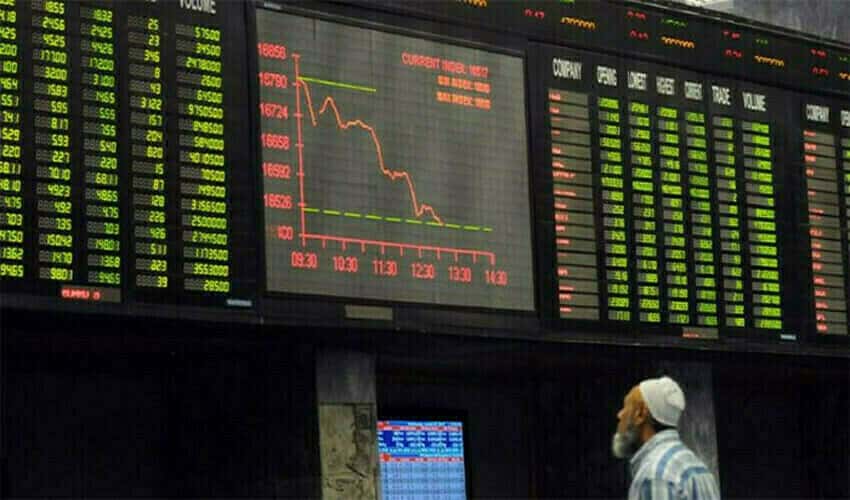
Gold prices in Pakistan witnessed a sharp decline on Monday, March 23, 2026, reaching their lowest level in four months. The drop came on the third day of Eid al-Fitr and reflected a broader downturn in the global bullion market. According to the All Pakistan Sarafa Gems and Jewellers Association, the sudden fall has raised concerns among investors and traders alike.
The price of 24-karat gold per tola plunged by a significant Rs43,600, settling at Rs447,762 compared to Rs491,362 in the previous trading session. Similarly, the price of 10 grams of 24-karat gold dropped by Rs37,380, bringing it down to Rs383,883 from Rs421,263 recorded before Eid holidays.
Silver prices also followed a downward trend. The rate per tola decreased by Rs800, settling at Rs6,884 compared to Rs7,684 earlier. This indicates a broader weakness across precious metals in both local and international markets.
On the global front, gold prices experienced a sharp fall of $436 per ounce, reaching $4,250. This decline highlights the growing volatility in international markets, driven largely by geopolitical tensions and economic uncertainty.
Market analysts have linked this downward trend to rising oil prices and escalating tensions in the Middle East. The ongoing conflict involving Iran, now entering its fourth week, has significantly impacted global financial markets. Airstrikes carried out by the United States and Israel have further intensified the situation.
According to Tim Waterer, Chief Market Analyst at KCM Trade, the dynamics of the market have shifted dramatically. He explained that with oil prices hovering around $100 per barrel, expectations have moved away from interest rate cuts toward potential rate hikes. As a result, gold — which does not offer any yield — has become less attractive to investors.
During periods of financial stress, investors often liquidate gold holdings to cover losses or margin calls in other asset classes such as stocks. This has added further downward pressure on gold prices globally.
Another major factor contributing to market instability is the closure of the Strait of Hormuz. This critical oil transit route plays a vital role in global energy supply. Its disruption has pushed crude oil prices higher, increasing transportation and manufacturing costs worldwide.
Although inflation fears typically support gold as a safe-haven asset, rising interest rates tend to suppress its demand. This complex interplay between inflation and monetary policy is currently shaping the global gold market.
Experts believe that unless geopolitical tensions ease or central banks shift toward rate cuts, gold prices in Pakistan may remain volatile in the coming weeks.