PTBP Web Desk
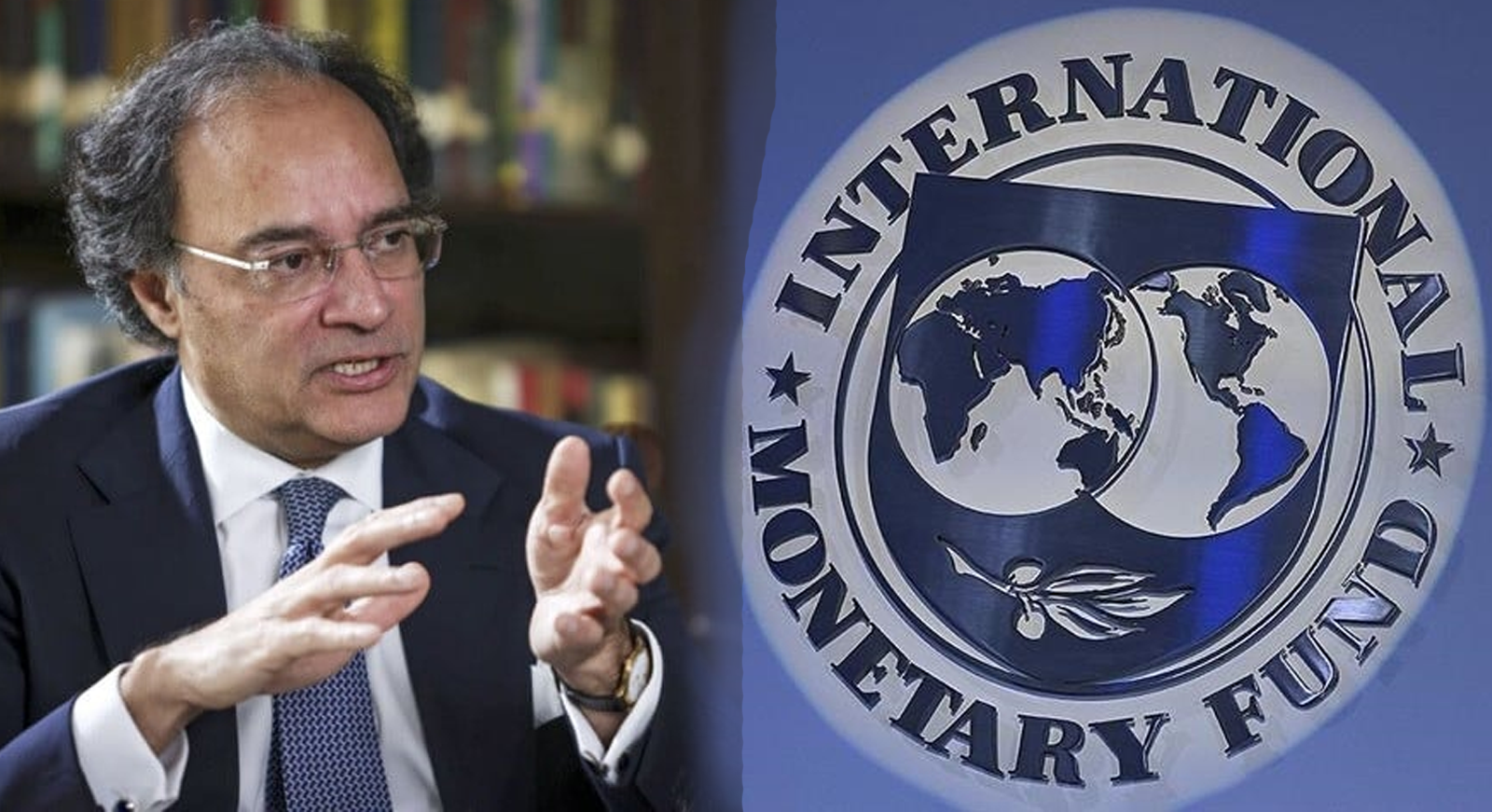
Finance Minister Senator Muhammad Aurangzeb on Tuesday briefed a visiting delegation from the International Monetary Fund (IMF) on Pakistan’s macroeconomic outlook, fiscal strategy, and ongoing reform agenda ahead of the federal budget for fiscal year 2026-27.
The meeting took place in Islamabad, where both sides discussed Pakistan’s economic stabilization efforts, budget preparations, and structural reforms aimed at strengthening long-term economic growth and improving financial stability.
During the discussion, the finance minister highlighted positive developments in Pakistan’s external sector. He informed the IMF delegation that exports and workers’ remittances were showing encouraging growth on both monthly and annual basis, helping improve the country’s external account position.
Aurangzeb said the government remained committed to maintaining macroeconomic stability while addressing deeper structural challenges facing the economy. He emphasized that reducing external vulnerabilities and creating sustainable economic growth remained key priorities for the government.
The finance minister further stated that Pakistan was working to move away from recurring boom-and-bust economic cycles through broad-based reforms focused on productivity, deregulation, export competitiveness, and investment-led growth.
According to officials, discussions also covered fiscal discipline, external sustainability, and measures to improve investor confidence. The government shared its plans to continue reforms that support economic resilience and long-term restructuring.
Aurangzeb noted that the reform programme had been developed in consultation with international economists and financial experts. He said the focus was on implementing long-term economic transformation policies instead of relying on temporary short-term measures.
The meeting comes as Pakistan prepares its Budget 2026-27 amid ongoing discussions with the IMF regarding fiscal targets, revenue generation, and structural reforms under the existing economic programme.
Economic analysts believe the upcoming budget will play a critical role in balancing fiscal consolidation with economic growth, especially as Pakistan faces inflationary pressures, external financing needs, and rising development demands.
The government is also expected to present measures aimed at improving the investment climate, encouraging exports, and expanding the formal economy in the coming fiscal year.