PTBP Web Desk
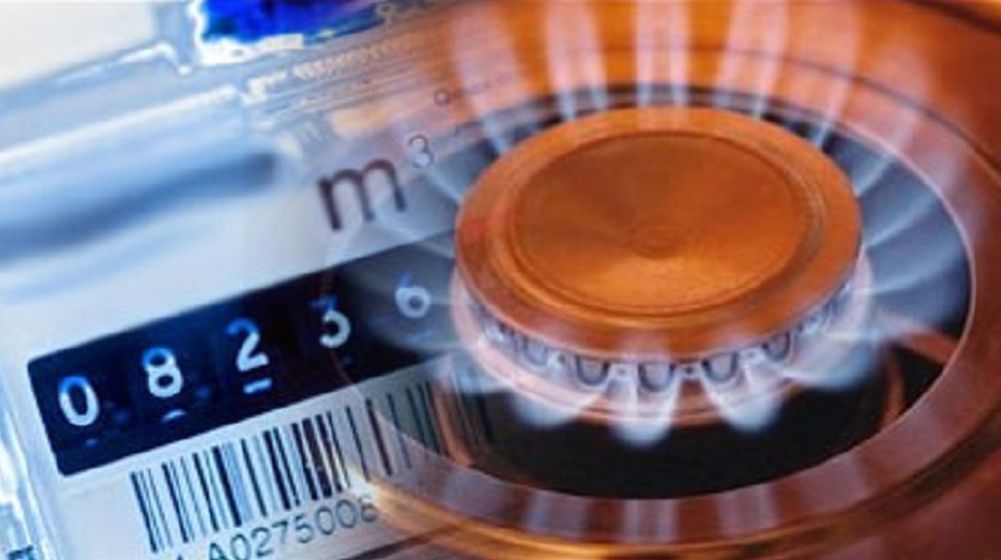
Pakistan has committed to the International Monetary Fund (IMF) to phase out the existing gas subsidy system for protected and certain non-protected domestic consumers as part of broader energy sector reforms aimed at improving fiscal sustainability and reducing market distortions.
Under the new plan, the government will abolish the current Rs. 140 billion cross-subsidy mechanism and replace it with a targeted financial assistance model linked to household income through the Benazir Income Support Programme (BISP). The transition is expected to be completed by January 2027 under a structural benchmark agreed with the IMF.
At present, low-income and protected gas consumers benefit from subsidized gas tariffs based on consumption slabs. However, the new framework will remove these lower slab rates and instead charge all consumers a uniform average gas tariff. Eligible households will then receive direct financial support through BISP based on income data rather than gas usage.
According to officials, the move is part of Pakistan’s ongoing commitment to reform the energy sector, improve pricing transparency, and reduce the financial burden created by cross-subsidies. Authorities believe the new mechanism will make subsidy distribution more targeted and efficient.
Currently, the subsidy system is financed through higher gas tariffs imposed on industrial and commercial sectors. Captive power plants operated by export industries, commercial consumers, CNG stations, cement manufacturers, general industries, and higher-end domestic users are all paying elevated rates to support lower-income consumers.
Officials stated that the federal government does not directly finance these subsidies through the national budget. Instead, the relief is generated internally through tariff adjustments imposed on other consumer categories.
The average gas tariff currently stands at around Rs. 1,750 per MMBtu. Once the reforms are fully implemented, all categories of consumers are expected to pay this average tariff rate, effectively ending the current cross-subsidy arrangement.
Economic experts say the shift could significantly impact household energy bills, especially for consumers who currently benefit from lower slab rates. However, the government argues that linking support directly to income through BISP will ensure assistance reaches genuinely deserving households instead of being based solely on consumption levels.
The reforms are also expected to reduce pricing distortions that have long affected Pakistan’s energy sector and industrial competitiveness. Industrial consumers have repeatedly argued that high cross-subsidy charges increase production costs and hurt exports.
The IMF-backed reforms come as Pakistan continues efforts to stabilize the economy, improve fiscal discipline, and address structural weaknesses in the energy sector. The government is simultaneously working on broader reforms involving electricity pricing, circular debt reduction, and energy market efficiency.
Officials maintain that the transition will be implemented gradually to minimize disruption for lower-income households while improving the overall sustainability of the gas sector.