PTBP Web Desk
The federal government collected more than Rs. 1.2 trillion in petroleum levy during the first nine months of fiscal year 2025-26, reflecting Pakistan’s growing dependence on fuel taxes to achieve revenue and fiscal targets.
According to official details presented before the National Assembly, petroleum levy collections reached Rs. 1.205 trillion between July 2025 and March 2026. The figures show that fuel taxation remained one of the government’s largest non-tax revenue sources during the current fiscal year.
The data revealed that consumers paid approximately Rs. 137 billion in petroleum levy during March alone. Earlier, collections stood at around Rs. 120 billion in February and Rs. 124 billion in January.
Monthly figures further highlighted the steady rise in fuel tax collections throughout FY26. The government collected nearly Rs. 145 billion in July, Rs. 115 billion in August, Rs. 111 billion in September, and another Rs. 145 billion in October. Petroleum levy receipts continued to climb in the following months, reaching Rs. 151 billion in November and Rs. 157 billion in December.
In addition to petroleum levy collections, the government also generated around Rs. 35 billion under the Climate Support Levy against a full-year target of Rs. 51 billion.
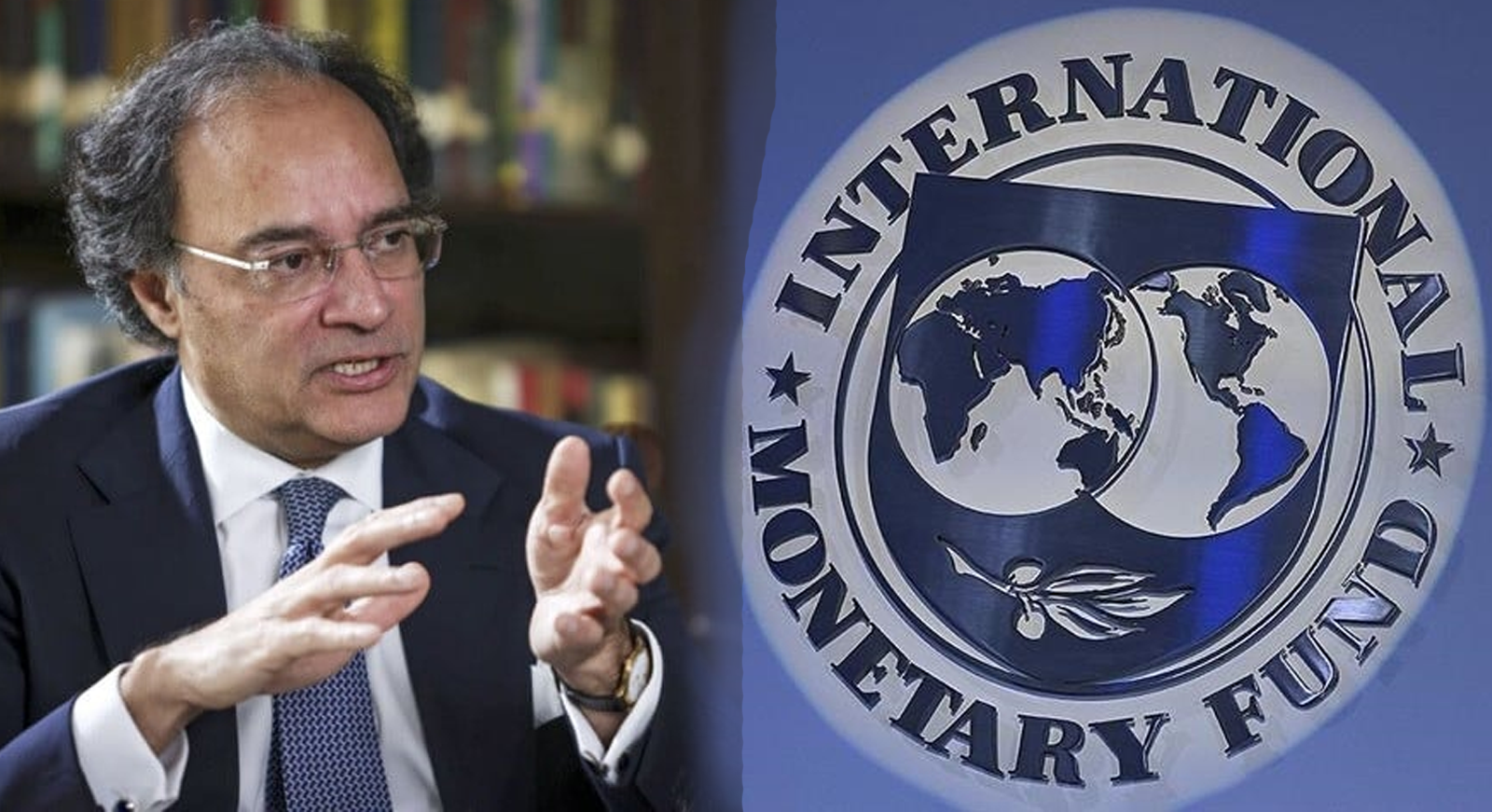
The latest figures come as Pakistan continues implementing fiscal reforms linked to the International Monetary Fund (IMF) programme. Under these commitments, the government has repeatedly increased petroleum levy rates on petrol and diesel to offset tax revenue shortfalls and maintain agreed fiscal targets.
Recent reports indicated that total petroleum levy collections already exceeded Rs. 1.33 trillion during the first 10 months of FY26, bringing the government close to its annual target of Rs. 1.468 trillion.
Meanwhile, the petroleum levy on petrol recently crossed Rs. 117 per litre following fresh increases announced earlier this month. The continued rise in fuel-related taxes is expected to place additional pressure on inflation, transportation costs, and household expenses across the country.
Economic analysts warn that higher fuel prices may also increase the cost of goods and services, as transportation remains a key component of Pakistan’s supply chain. Furthermore, ongoing tensions in the Middle East and volatility in global oil markets continue to create uncertainty regarding future petroleum prices.
Despite concerns over inflation, the government views petroleum levy collections as a critical tool for stabilizing public finances and meeting IMF-backed fiscal commitments.