PTBP Web Desk
Pakistan is actively working to secure the safe passage of LNG cargoes from Qatar as rising geopolitical tensions around the Strait of Hormuz threaten to disrupt critical energy supplies. The government has intensified diplomatic and operational efforts to ensure that the shipments reach the country on time, as domestic energy demand continues to rise ahead of the summer season.
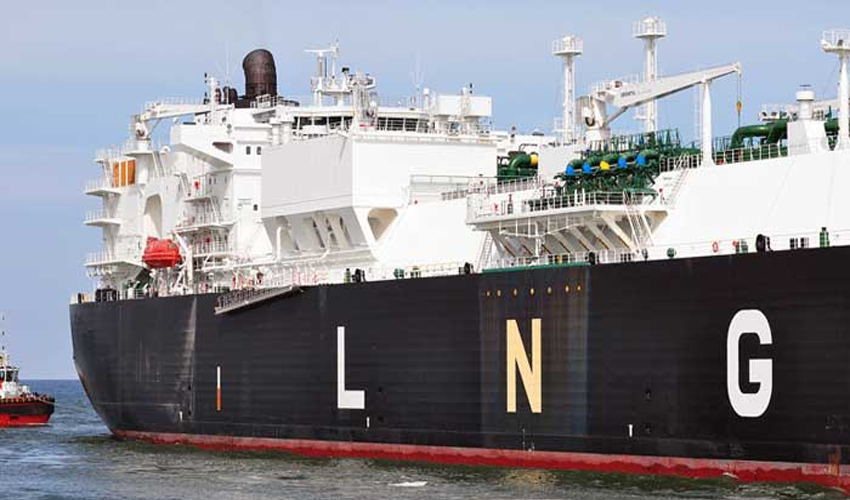
According to officials, two liquefied natural gas (LNG) vessels are already fully loaded and currently positioned near the mouth of the strategic waterway. However, due to ongoing regional tensions, their movement has become uncertain. Authorities in Pakistan are coordinating closely with regional stakeholders, including Iran, to facilitate the safe transit of these cargoes into open waters.
Diplomatic Efforts to Ensure Safe Transit
In a key development, Petroleum Minister Ali Pervaiz Malik has held discussions with Iranian representatives in Islamabad to address the issue. These talks were followed by direct engagement between Pakistani officials and Iranian authorities, highlighting the urgency of the situation. The consultations aim to prevent any disruption in shipping routes and ensure that energy supplies remain uninterrupted.
The situation underscores the importance of diplomatic channels in maintaining energy security. Given the strategic significance of the Strait of Hormuz—a major global oil and gas transit route—any disruption in this corridor can have far-reaching consequences for energy-importing countries like Pakistan.
Current LNG Supply Situation
At present, Pakistan’s immediate energy requirements are being met through alternative arrangements. The vessel Seapeak Magellan is currently docked at the Pakistan GasPort Consortium terminal, supplying approximately 140,000 cubic meters of LNG. This shipment was arranged by TotalEnergies at a price of $18.40 per million British thermal units (mmBtu), which is significantly higher than long-term contracted rates.
The terminal is currently processing around 300 million cubic feet per day (mmcfd) of re-gasified LNG. Out of this, nearly 250 mmcfd is being directed toward the power sector to sustain electricity generation. Additionally, around 150 mmcfd of locally produced natural gas—priced at RLNG rates—is being utilized to support the system. Another 45 mmcfd is being supplied to K-Electric power plants to maintain electricity distribution in Karachi.
Rising Demand and Limited Supply Window
Despite these efforts, officials have warned that existing supplies will only be sufficient to meet demand for the first 10 days of May. This makes the timely arrival of the two Qatari LNG cargoes critically important for maintaining balance in the energy system.
As temperatures rise and electricity consumption increases, the pressure on the national grid is expected to intensify. Without additional LNG supplies, Pakistan could face significant challenges in meeting power demand, potentially leading to increased load-shedding.
Impact of Regional Tensions
The current situation is largely driven by escalating geopolitical tensions in the Middle East. Earlier attempts to import multiple LNG cargoes from Qatar were disrupted due to conflict involving the United States, Israel, and Iran. These developments have directly impacted shipping routes through the Strait of Hormuz, one of the world’s busiest energy corridors.
Such disruptions not only delay shipments but also increase transportation costs and insurance premiums, further burdening already strained energy-importing economies. For Pakistan, which relies heavily on imported LNG to meet its energy needs, these risks pose a serious challenge.
Power Sector Stability for Now
Despite the ongoing uncertainty, Pakistan has so far managed to avoid widespread power outages. Officials from the Power Division have stated that improved availability of re-gasified LNG, combined with strong hydropower generation of around 6,000 megawatts, has helped stabilize the national grid.
However, some areas are still experiencing revenue-based load management, indicating that the system remains under pressure. Authorities are closely monitoring the situation and are prepared to take further measures if supply disruptions persist.