PTBP Web Desk
Pakistan’s federal government is unlikely to introduce new taxes in the upcoming Budget 2026-27, as authorities plan to rely on stricter enforcement measures and improved tax administration to meet revenue targets.
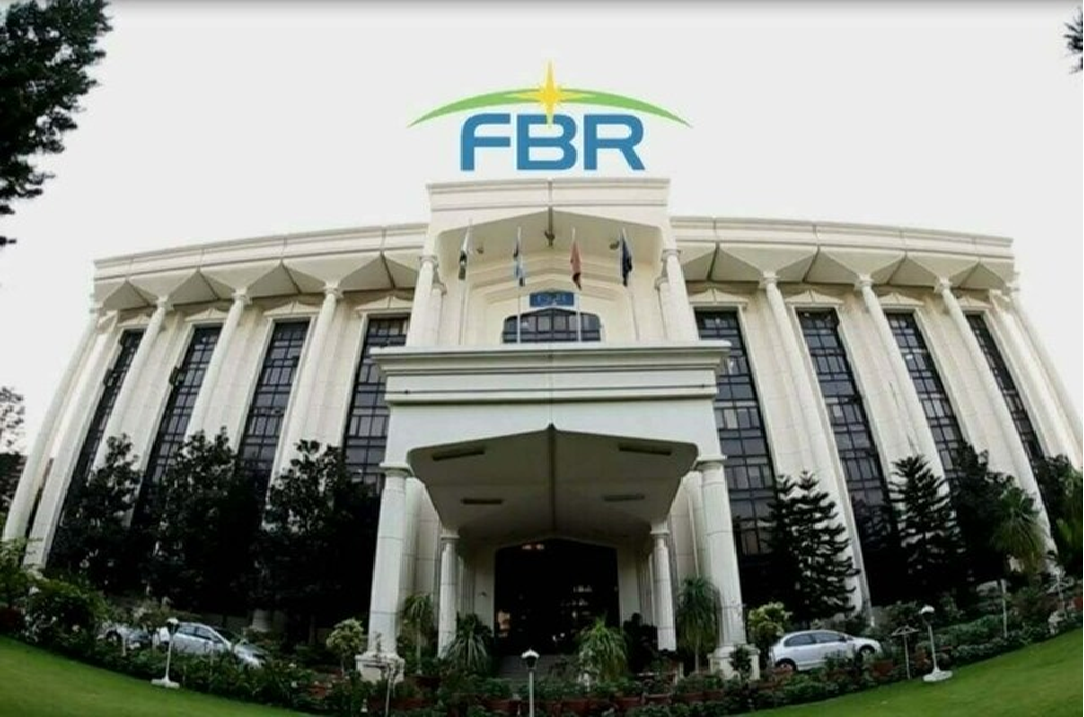
According to official sources, the Federal Board of Revenue (FBR) is preparing an aggressive enforcement strategy aimed at generating nearly Rs. 780 billion during the next fiscal year. The government intends to achieve this target through documentation of the economy, recovery of unpaid taxes, and tougher action against tax evasion instead of burdening citizens with additional taxation.
The upcoming budget is also expected to include relief measures for the salaried class, businesses, and companies currently paying Super Tax. Officials believe any revenue shortfall resulting from these relief measures can be compensated through enhanced enforcement and better tax compliance.
The strategy signals a shift toward administrative reforms rather than introducing fresh taxes. Authorities are focusing on broadening the tax base and bringing undocumented sectors into the formal economy.
During the current fiscal year, the FBR reportedly collected around Rs. 389 billion through enforcement actions. This included more than Rs. 50 billion recovered through operations against illicit cigarette trade and smuggled tobacco products.
Officials stated that the government now aims to significantly increase enforcement-based collections in FY27. The tax authority had earlier collected Rs. 874 billion through enforcement measures in FY25, compared to Rs. 105 billion in FY24, highlighting the growing role of compliance measures in revenue generation.
Under the proposed framework, individuals and businesses involved in underreporting income, concealing assets, or operating outside the documented economy may face stricter scrutiny. The government is expected to intensify monitoring systems and conduct wider audits to improve tax collection.
At the same time, authorities are working on upgrading the FBR’s digital infrastructure. The modernization plan includes improved data analytics, integration of tax databases, and advanced tracking systems to identify potential taxpayers who remain outside the formal tax net.
Economic experts believe the government is trying to strike a balance between fiscal discipline and economic relief. Rising inflation, high fuel prices, and pressure on household incomes have increased demands for tax relief, especially for salaried individuals who remain among the largest contributors to direct taxes in Pakistan.
Officials said the overall taxation impact of Budget 2026-27 is expected to remain largely neutral. While some sectors may receive tax incentives or relief, the government plans to offset those adjustments through stricter compliance and enforcement actions.
The final budget proposals are expected to be discussed with the International Monetary Fund (IMF) before formal approval. Pakistan remains committed to fiscal reforms under its ongoing IMF program, making revenue generation a key priority for the upcoming fiscal year.