PTBP Web Desk
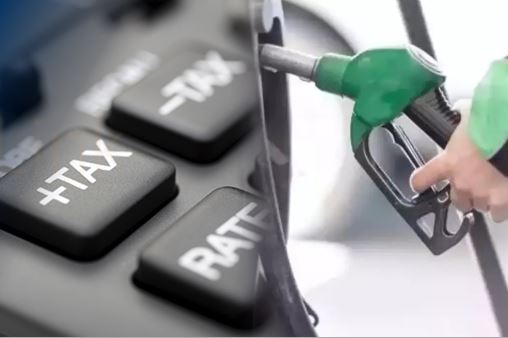
Officials from Pakistan’s Petroleum Division told the Senate Standing Committee on Petroleum that the sharp rise in petrol prices was mainly driven by the Rs. 117 per litre petroleum levy rather than government pricing policies alone.
The committee meeting was chaired to review fuel pricing, petroleum reserves, and the recent increase in petrol and diesel prices. Petroleum Minister Ali Pervaiz Malik and senior officials briefed lawmakers on the situation following the latest fuel price hike.
During the meeting, committee member Senator Saifullah Abro raised concerns over the sudden increase of nearly Rs. 55 per litre in petrol and diesel prices after February 28. He demanded greater transparency regarding the fuel pricing mechanism and asked authorities to provide a written breakdown of all taxes included in petroleum prices.
Petroleum Division officials responded that the petroleum levy was the primary factor contributing to the increase in fuel prices. They explained that global oil prices also surged significantly after March 1, adding further pressure on domestic fuel rates.
According to officials, diesel prices in the international market climbed to $285 per barrel, while petrol prices rose to nearly $150 per barrel during the recent escalation in regional tensions.
The Petroleum Division informed the committee that Pakistan currently holds petrol reserves sufficient for 30 days and diesel stocks for around 27 days. Officials emphasized that the government had to procure petroleum products at elevated international prices to maintain adequate domestic supply and avoid shortages.
Petroleum Minister Ali Pervaiz Malik stated that Pakistan does not maintain strategic petroleum reserves, which makes the country more vulnerable to global oil market volatility.
The minister also assured the committee that detailed pricing and stock data from all oil marketing companies would be shared. He added that the Federal Investigation Agency (FIA) is reviewing the matter to ensure transparency.
Meanwhile, committee member Aamir Chishti called for a complete audit of oil marketing companies operating in Pakistan. In response, the petroleum minister confirmed that audits of all 42 oil marketing companies would be conducted.
The issue of rising fuel prices continues to remain a major concern for consumers already facing inflationary pressures and higher transportation costs across the country.